Coney Island boardwalk set for $1 billion facelift after decades of community push
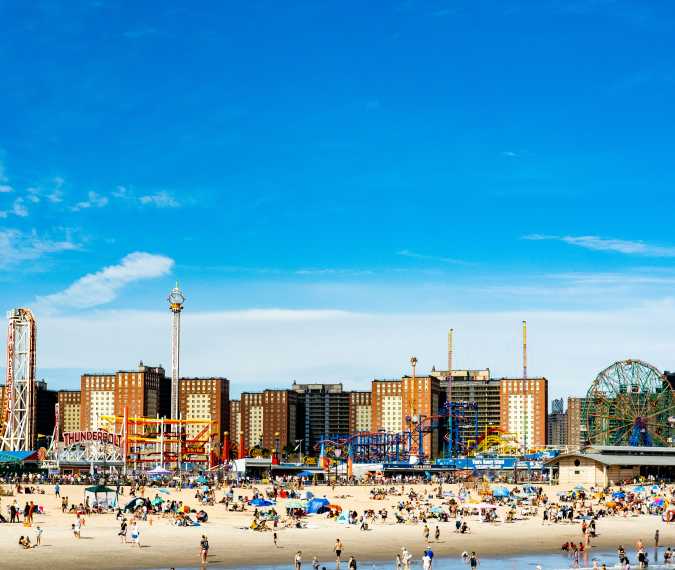
One of New York City's most iconic waterfront attractions is preparing for a dramatic new chapter. The legendary Riegelmann Boardwalk in Coney Island, a beloved destination for generations of locals and visitors, is set to undergo a sweeping $1 billion redevelopment designed to safeguard it from future climate threats and modernize the surrounding area.
For many New Yorkers, a summer trip to Coney Island isn't complete without a walk along the famous wooden promenade, grabbing a hot dog from Nathan's, and taking a ride on the historic Cyclone roller coaster. But after more than a century of service, the boardwalk is showing its age.
A Landmark With More Than 100 Years of History
Originally opened in 1923, the Riegelmann Boardwalk stretches approximately 2.7 miles along Brooklyn's shoreline. Often referred to as part of "America's Playground," it has welcomed millions of visitors over the decades and earned official New York City landmark status in 2018.
Despite surviving major storms, changing economic conditions, and constant use, the structure has gradually deteriorated. Aging wooden planks, weakened supports, weather damage, and years of heavy foot traffic have made extensive repairs increasingly necessary.
As a result, city officials have unveiled an ambitious plan to not only restore the boardwalk but also prepare it for future challenges.
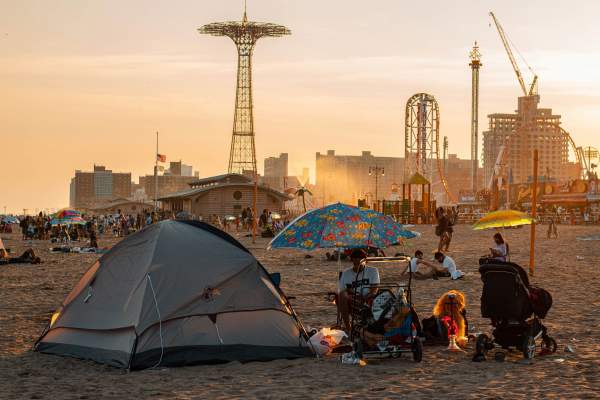
Photo: unsplash.com/@baffledfish
What the Redevelopment Project Includes
The large-scale initiative is being led by the New York City Department of Parks and Recreation together with the NYC Economic Development Corporation. The primary objective is to strengthen the waterfront against rising sea levels, coastal flooding, and increasingly severe weather events.
Among the most significant improvements are:
Raising and Rebuilding the Boardwalk
Large sections of the existing structure will be reconstructed from the ground up. Support systems, utility infrastructure, and foundation piles will be replaced, while portions of the boardwalk will be elevated to improve protection against storm surges and future flood risks.
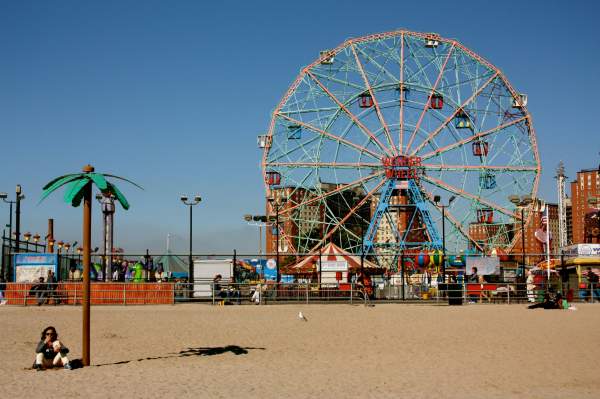
Photo: unsplash.com/@jricard
Improved Accessibility and Public Facilities
The renovation will introduce additional ramps, upgraded plazas, and easier access throughout the waterfront area. Several public amenities will also receive major upgrades, including restrooms, lifeguard facilities, and shaded gathering spaces.
Modernization of the Abe Stark Sports Center
The nearby Abe Stark Sports Center, a neighborhood landmark since the 1970s, is scheduled for a separate $42 million renovation. Plans include enhancements to the ice rink and the creation of a new entrance facing the boardwalk, helping connect the facility more closely to the waterfront.
New Housing Opportunities
The broader redevelopment vision extends beyond the boardwalk itself. Plans call for approximately 1,500 mixed-income housing units along the waterfront, with one-quarter of the units designated as permanently affordable.

Photo: unsplash.com/@jeffreyblum
When Will Construction Begin?
Because of the project's scale, work will be carried out gradually over several years. City agencies are currently focusing on community consultation, design development, and planning efforts before major construction begins.
Rather than closing the entire boardwalk at once, the redevelopment will be completed in phases. This approach is intended to minimize disruptions while allowing visitors to continue enjoying much of Coney Island during construction.
For now, the historic boardwalk remains fully open, giving residents and tourists another opportunity to experience one of New York's most treasured seaside attractions before significant changes begin.
Looking Ahead
The redevelopment represents one of the largest waterfront resilience investments in New York City's history. While the familiar wooden planks and classic atmosphere remain intact today, the years ahead will bring a safer, stronger, and more climate-ready Coney Island.
By combining historic preservation with modern infrastructure, city leaders hope the Riegelmann Boardwalk will continue welcoming visitors for the next century and beyond.