
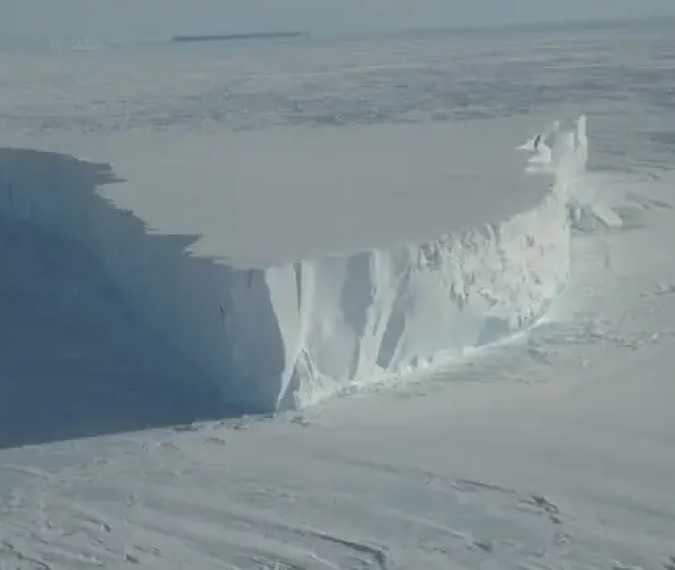
Countries at risk if ‘Doomsday Glacier’ size of Britain collapses into sea
A giant glacier in Antarctica, often referred to as the “Doomsday Glacier,” is drawing increasing attention from scientists who fear it may be deteriorating faster than previously expected. If the glacier eventually collapses, the consequences could be felt across coastlines around the world through significant sea-level rise.
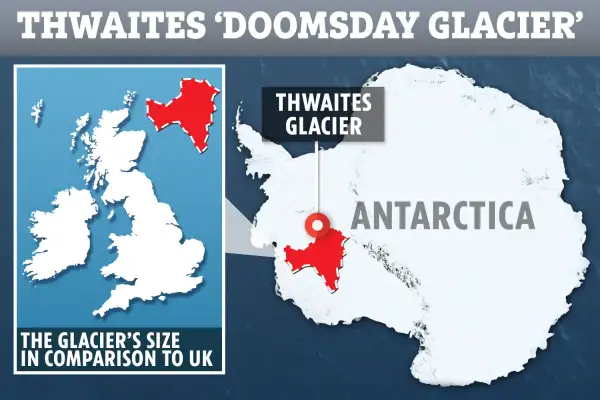
Known as the Thwaites Glacier, this enormous ice mass lies on the edge of the West Antarctic Ice Sheet. Covering an area comparable in size to Great Britain and stretching roughly 120 kilometers across, it plays a critical role in maintaining the stability of Antarctica’s ice system.
Researchers warn that the glacier’s collapse could raise global sea levels by several meters over time. While such changes would not happen overnight, even a relatively modest increase in sea level could have devastating effects on coastal communities, low-lying nations, and island populations.
Why Are Scientists Worried?
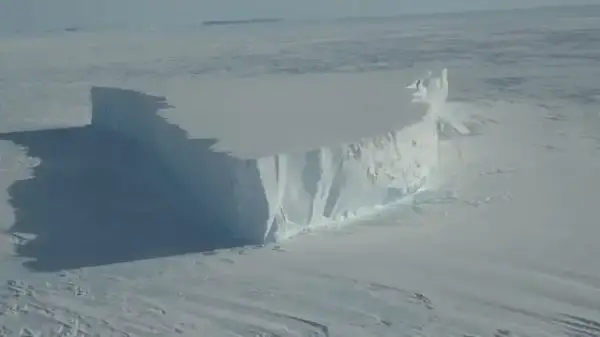
Recent observations suggest that a key ice shelf helping to stabilize Thwaites Glacier is becoming increasingly fragile. According to experts studying the region, cracks and fractures within the ice have been expanding, raising concerns that this natural barrier may eventually break apart.
Scientists believe warmer ocean waters beneath the glacier are accelerating the melting process from below. This weakening of the glacier's protective ice shelf could allow larger sections of ice to move more rapidly into the ocean, increasing the rate of ice loss.
Satellite imagery has revealed growing signs of structural instability, leading researchers to conclude that significant changes could occur sooner than previously predicted.
Countries and Regions Most Vulnerable to Rising Seas
The Netherlands
The Netherlands is among the countries most exposed to sea-level rise due to its unique geography. Approximately one-third of the nation already lies below sea level, making extensive flood-control systems essential for protecting its population and infrastructure.
Dutch authorities have invested heavily in advanced coastal defenses, but continued sea-level increases could place additional pressure on these systems in the decades ahead.
Bangladesh
Bangladesh is widely considered one of the most climate-vulnerable countries in the world. Large areas of the country sit only a few meters above sea level, and millions of people could be affected if ocean levels continue to rise.
Experts estimate that a one-meter increase in sea level could inundate significant portions of the country, threatening homes, farmland, and major urban areas while displacing millions of residents.
Low-Lying Island Nations
Many small island nations face an uncertain future as sea levels rise. Countries such as the Maldives, Kiribati, the Marshall Islands, and the Solomon Islands are particularly vulnerable because much of their land sits only slightly above current sea level.
Some governments have already begun exploring long-term adaptation strategies. Tuvalu, for example, has discussed creating digital versions of its cultural heritage to preserve national identity should parts of the country become uninhabitable.
Coastal Cities in the United States
Several major American cities are also considered highly vulnerable to future flooding. Locations such as Miami, New York, and New Orleans frequently appear in climate-risk assessments due to their exposure to rising seas and storm surges.
Miami, in particular, faces significant challenges due to its low elevation and porous limestone foundation, which make traditional flood barriers less effective. Some projections suggest large sections of the surrounding region could face increasing flood risks as sea levels continue to climb.
Although the future of Thwaites Glacier remains uncertain, scientists agree that its stability is closely linked to global sea levels. Continued monitoring and climate research will be essential for understanding how quickly changes may occur and which regions could face the greatest risks.
For countries, cities, and communities along coastlines, developments unfolding in Antarctica serve as a reminder that events thousands of kilometers away can have far-reaching consequences worldwide.

