Dubai Is Moving Toward a Cashless Future: What Travelers Need to Know in 2026
Dubai is accelerating plans to reduce dependence on physical cash, aiming to make nearly all payments digital and solidify its reputation as a technology-driven destination.
As part of Dubai’s broader Cashless Strategy, authorities aim to have digital transactions account for around 90 percent of payments across both public and private sectors by the end of 2026. The initiative forms part of a wider vision to modernize everyday life while supporting economic growth and innovation.
For both residents and visitors, payment methods in Dubai are set to undergo significant changes.
What does a cashless Dubai actually mean?
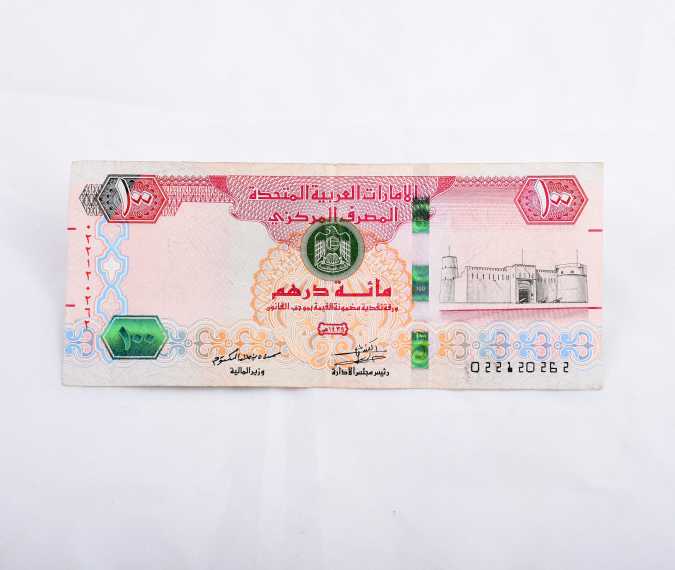
Going cashless does not mean money disappears entirely. Instead, it means fewer people using paper notes and coins and a stronger reliance on digital alternatives such as banking apps, credit cards, mobile wallets, and contactless systems.
Dubai also plans to invest heavily in new payment technologies, including AI-powered financial tools and smarter digital payment solutions designed to make transactions quicker and more convenient.
Officials believe the transition could contribute more than Dhs8 billion annually to the economy while creating a smoother payment experience across the city.
Parking changes show the shift is already happening.
One of the clearest examples of Dubai’s move toward a cash-free environment has already arrived.
Starting in June 2026, Parkin began removing cash payments at parking meters. Drivers can still use NOL cards, but traditional coin payments are being phased out. Instead, parking fees can be paid digitally through SMS services or the Parkin mobile application.
The change may seem small, but it highlights how everyday experiences are being redesigned around digital convenience.
Tourists will also notice major changes.
Tourists visiting Dubai are part of this transformation.
The UAE Central Bank introduced the Tourist Identity initiative, a system designed to help travelers access banking services upon arrival in the country.
Under the initiative, tourists will be able to open digital bank accounts within minutes and gain instant access to services, including digital debit cards.
The system will also support the UAE’s Jaywan card network and enable transactions using the Aani payment platform, making spending and transfers easier during a trip.
For travelers who traditionally rely on cash while abroad, this could significantly simplify payments.
Airlines and businesses are joining the movement.
Dubai’s push toward digital payments extends beyond government services.
Earlier partnerships involving Emirates and flydubai focused on encouraging international visitors to adopt digital payment methods. The goal is to make cashless transactions easier and more accessible for travelers arriving from regions where cash remains the preferred payment method.
The business sector is also being encouraged to adapt. In 2025, Dubai Finance and DIFC announced plans for collaboration, including workshops and AI-based initiatives to help companies transition to digital payment systems.
Dubai wants to become a global leader in cashless living.
Dubai first unveiled its Cashless Strategy in October 2024 during a meeting of the Executive Council of Dubai, chaired by Crown Prince Sheik Hamdan bin Mohammed bin Rashid Al Maktoum.
During the discussions, officials shared ambitions for Dubai to rank among the world’s top five cashless cities while expanding access to financial technology services throughout the emirate.
The overall aiThe aim is to make payments faster, simpler, and more efficient for all.aditional cash bargaining at local souqs may still exist for now, Dubai’s future increasingly appears to be one where digital payments become part of everyday life.
For travelers heading to the city in the coming years, carrying a smartphone may become even more important than carrying spare change.