

Electric air taxis are about to take flight in 26 states
The future of air travel is taking a significant step forward as electric air taxis prepare for expanded testing across the United States. The Federal Aviation Administration (FAA) has selected eight pilot projects that will allow several leading aviation companies to begin large-scale testing of electric aircraft in 26 states, with operations expected to start as early as this summer.
Among the companies participating in the initiative are Archer Aviation, Beta Technologies, Joby Aviation, and Wisk, all of which are developing next-generation electric aircraft designed for short-distance passenger transportation, cargo delivery, and emergency services.
The initiative, officially known as the Advanced Air Mobility and Electric Vertical Takeoff and Landing Integration Pilot Program, is scheduled to run for three years. According to U.S. Transportation Secretary Sean Duffy, the program aims to accelerate innovation while helping American companies remain at the forefront of emerging aviation technologies.
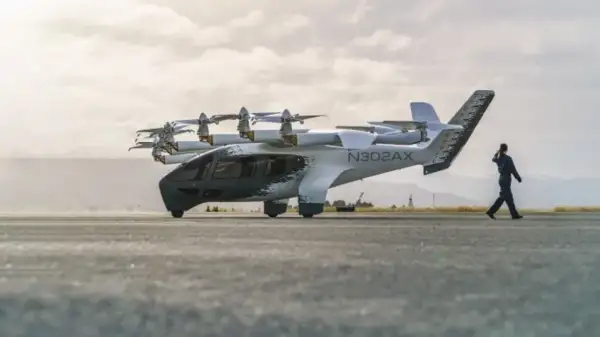
Photo: Joby Aviation
The program was introduced following an executive order signed by President Donald Trump last year that aimed to accelerate the development and deployment of electric vertical takeoff and landing (eVTOL) aircraft.
Although dozens of companies have entered the eVTOL sector in recent years, bringing these aircraft into commercial service remains a lengthy and costly process. New aircraft must undergo extensive testing and obtain FAA certification, a process that can take several years and require substantial investment.
Through the pilot program, participating companies will be able to conduct operational testing before receiving full certification, providing valuable real-world experience and potentially shortening the path to commercial deployment.
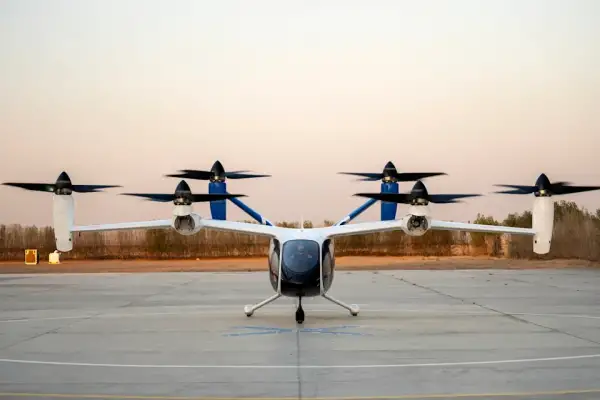
Photo: Joby Aviation
Industry leaders believe the initiative could significantly advance their timelines. Beta Technologies CEO and founder Kyle Clark stated that participation in the program may enable the company to begin operations approximately one year earlier than originally expected. Investors responded positively, with Beta's shares rising sharply following the announcement. Publicly traded competitors Archer Aviation and Joby Aviation also experienced gains.
Archer Aviation described the program as an important step toward building public confidence in electric air transportation. The company is developing the Midnight aircraft, a piloted eVTOL capable of carrying four passengers, and plans to use insights from the program to support future air taxi services, including potential operations during the 2028 Olympic Games in Los Angeles.
FAA Deputy Administrator Chris Rocheleau emphasized that the pilot projects will help regulators and industry partners better understand how these aircraft can safely operate within the nation's airspace. The experience gained through testing is expected to contribute to the development of future operational standards for advanced air mobility.
Interest in the program was substantial, with the FAA receiving 30 proposals before selecting the final participants.
A key requirement of the initiative is collaboration between private companies and government agencies. Each project involves partnerships with state, local, tribal, or territorial authorities to evaluate practical uses for electric aircraft.

Photo: Joby Aviation
Several projects will focus on passenger transportation. In the Northeast, the Port Authority of New York and New Jersey has joined forces with Archer, Beta, Electra, and Joby to explore multiple operational concepts, including services originating from a Manhattan heliport.
Meanwhile, the Texas Department of Transportation plans to test regional connections between Dallas, Austin, San Antonio, and eventually Houston. The long-term vision includes creating networks of air taxis that can expand transportation options and improve regional connectivity.
Other initiatives have an even broader geographic scope. Utah is leading a project to evaluate advanced aircraft operations across regions, including the Pacific Northwest, the Rocky Mountains, and parts of Oklahoma. Another project coordinated by the Pennsylvania Department of Transportation involves 13 states and aims to explore new approaches to regional air travel.
The pilot program will also examine non-passenger applications. Companies such as Beta Technologies and Elroy Air will participate in cargo and personnel transportation trials serving energy-sector locations throughout Louisiana, Texas, and Mississippi, as well as offshore destinations in the Gulf region.
Additional projects are being led by transportation agencies in Florida, Louisiana, and North Carolina. In New Mexico, the city of Albuquerque is partnering with Reliable Robotics to test autonomous flight operations, highlighting the growing role of automation in future aviation systems.
As testing expands nationwide, the program marks one of the most ambitious efforts yet to bring electric air mobility from concept to reality. If successful, the initiative could pave the way for a new era of transportation that combines cleaner technology, greater efficiency, and faster regional travel.

