Flight Expert Reveals Why You Should Never Take Your Shoes Off While Flying
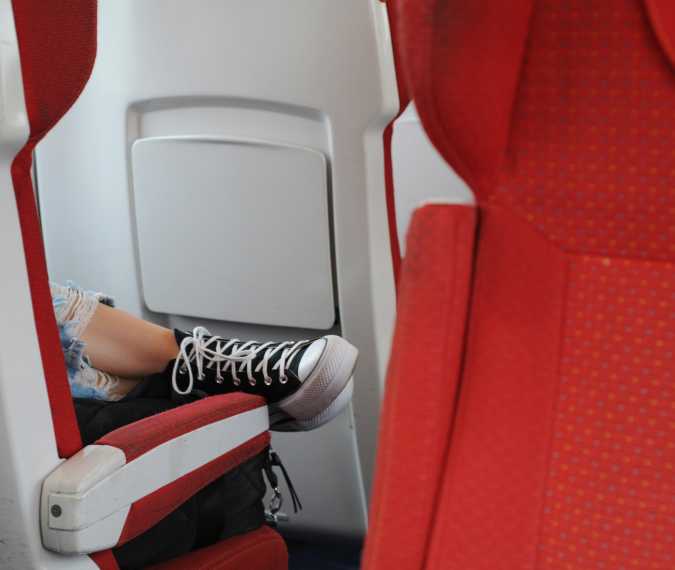
For many travelers, settling into an airplane seat means loosening up, adjusting the headrest, and slipping off their shoes. Whether it's a short domestic trip or a long-haul international journey, comfort often becomes a priority once the seatbelt sign is turned off.
However, aviation safety specialists caution that going barefoot in the cabin may not be as harmless as it seems. While removing your shoes can feel more comfortable, experts say it could create serious challenges in an emergency.
The Safety Risk Most Passengers Overlook
Aviation author and safety analyst Christine Negroni believes footwear is one of the most underestimated aspects of air travel safety. Having spent years researching airline incidents and passenger safety, she argues that what you wear on your feet can significantly impact your performance during an emergency evacuation.
In the rare event that passengers must leave an aircraft quickly, conditions outside may be unpredictable. Travelers could find themselves stepping onto scorching tarmac, icy surfaces, rough terrain, spilled fuel, metal fragments, or other hazardous debris.
Without proper shoes, even minor foot injuries could slow an evacuation when every second counts.
Choosing the Right Shoes for Air Travel
While keeping shoes on is important, not all footwear is equally practical.
Negroni notes that high heels can create problems during emergency evacuations. Aircraft evacuation slides are designed to allow passengers to leave the plane quickly, but sharp heels can damage them. As a result, passengers wearing such footwear may be instructed to remove their shoes before exiting.
For air travel, she recommends comfortable, flat shoes with durable soles that offer protection while still being easy to remove if necessary.
Why Bare Feet and Airplane Cabins Don't Mix
Emergency preparedness isn't the only reason to avoid taking off your shoes.
Flight attendants frequently remind travelers that aircraft floors—particularly near restroom areas—are not always as clean as they appear. Moisture found around lavatories can often be something other than water, and walking barefoot increases exposure to germs, bacteria, and other unsanitary substances.
For this reason alone, many cabin crew members advise passengers to keep their footwear on at all times while moving around the cabin.
Other Safety Tips Frequent Flyers Should Follow
According to aviation professionals, a few simple habits can improve passenger safety during every flight.
One of the most important things is keeping your seatbelt fastened whenever you're seated. Unexpected turbulence can occur with little or no warning and has caused numerous passenger injuries over the years.
Experts also encourage travelers to pay attention to the pre-flight safety briefing. Even experienced flyers can benefit from knowing the location of emergency exits and understanding evacuation procedures.
Clothing Choices Matter Too
Footwear isn't the only travel-related concern highlighted by aviation specialists.
Negroni has also warned against wearing clothing made primarily from synthetic materials, including many types of leggings. In the unlikely event of a fire, synthetic fibers can melt when exposed to intense heat, potentially causing severe skin injuries.
Natural materials such as cotton, wool, denim, and leather are generally considered safer alternatives for air travel.
Stay Alert During Critical Flight Phases
Aviation experts point out that most aircraft incidents occur during takeoff and landing rather than while cruising at altitude.
Because of this, passengers are encouraged to remain attentive during these stages of the journey. Keeping shoes on, listening to crew instructions, and limiting distractions, such as headphones, can help travelers respond more quickly if an unexpected situation arises.
Situational awareness may seem like a small detail, but it can make a meaningful difference during an emergency.
The Bottom Line
Although taking your shoes off during a flight may seem like a simple way to relax, aviation safety specialists recommend keeping them on—especially during takeoff and landing.
A sturdy pair of comfortable shoes can protect your feet from hazards during an emergency evacuation and help you move quickly if every second matters. Combined with other smart travel habits, this simple precaution can contribute to a safer and more comfortable flying experience.
The next time you're tempted to kick off your shoes after boarding, remember that the most comfortable choice isn't always the safest one.