
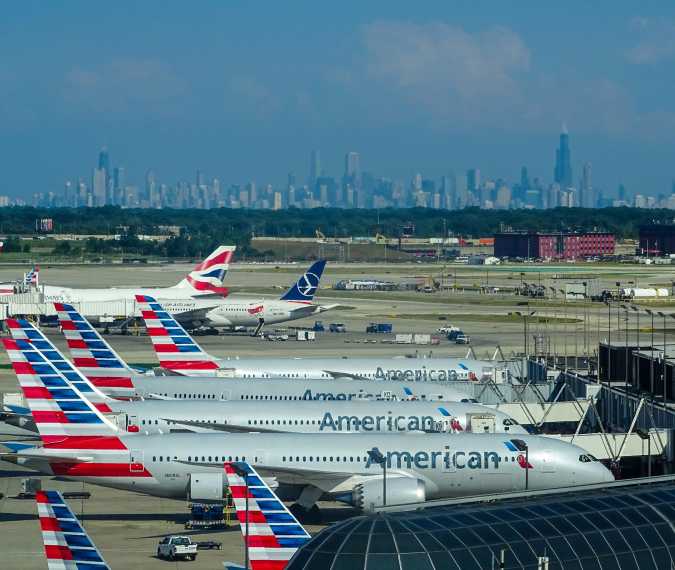
List of US Airline Routes Cut Amid Rising Fuel Costs
Airlines across North America are making adjustments to their flight schedules as soaring jet fuel costs place increasing pressure on operating budgets. The recent surge in fuel prices, which industry observers link to disruptions in global oil markets amid the ongoing conflict involving Iran, has prompted several carriers to review their route networks and reduce service on selected flights.
Among the latest airlines to announce changes is American Airlines, which is temporarily removing several domestic routes from its schedule. The move reflects a broader trend across the aviation industry as carriers seek ways to offset rising expenses while maintaining profitability.
American Airlines Announces Temporary Route Suspensions
American Airlines has confirmed that a number of domestic services will be paused during August and September. According to the airline, these adjustments are temporary and do not represent permanent cancellations.
The affected routes include:
Los Angeles – Cleveland
Los Angeles – Columbus
Los Angeles – Pittsburgh
Los Angeles – Washington Dulles
Charlotte – Ontario, California
Charlotte – Sacramento
Passengers with existing bookings on these flights will have the option of being rebooked on alternative services or requesting a refund.
Air Canada Reduces Select Cross-Border Services
Air Canada has also adjusted its schedule in response to the sharp increase in fuel costs. The carrier stated that higher jet fuel prices have made some lower-yield routes financially challenging to operate.
The airline's temporary route changes include:
Salt Lake City – Toronto (expected to return in 2027)
New York JFK – Toronto (scheduled to resume on October 25, 2026)
New York JFK – Montreal (scheduled to resume on October 25, 2026)
Delta Makes Seasonal Network Adjustments
Delta Air Lines has introduced several route reductions this year. While fuel expenses are one factor affecting airline operations, the company has indicated that its decisions are based on a combination of operational and financial considerations.
Routes impacted include:
New York JFK – Memphis (June 7 to September 7, 2026)
New York JFK – St. Louis (June 7 to September 7, 2026)
Detroit – Reykjavik (suspended until July 6, 2026)
Boston – Nassau (July 18 to September 5, 2026)
United Airlines Trims Capacity
United Airlines is also scaling back portions of its network as it prepares for an extended period of elevated fuel prices.
The carrier is reducing approximately five percent of planned capacity, including:
Around three percent of off-peak services, particularly some midweek, overnight, and Saturday flights
Approximately one percent of flights operating from Chicago O'Hare International Airport
Continued suspension of routes to Tel Aviv and Dubai
The airline expects to restore its full schedule later in the year if market conditions improve.
What's Driving These Airline Cuts?
Fuel remains one of the largest expenses for airlines, typically accounting for roughly a quarter to nearly a third of operating costs. When oil prices rise sharply, routes with lower profit margins can quickly become difficult to sustain.
To manage these financial pressures, airlines commonly respond by:
Reducing or suspending underperforming routes
Increasing airfare prices
Introducing fuel surcharges
Raising fees for optional services such as checked baggage
The current environment has forced many carriers to carefully evaluate which routes remain economically viable.
When Could Flights Return?
Most airlines describe these reductions as temporary measures, although restoration dates differ depending on the route and carrier.
Current timelines suggest
American Airlines services are expected to be affected through August and September.
Air Canada plans to restore some routes in October 2026, while others may not return until 2027.
Delta's suspended services are scheduled to resume between July and September.
United Airlines anticipates a broader recovery of capacity during the fall season.
Future decisions will largely depend on fuel market conditions and whether energy prices stabilize in the coming months.
What Travellers Should Expect
For passengers, the route reductions could lead to fewer nonstop travel options and a greater reliance on connecting flights. Reduced capacity may also contribute to higher ticket prices on certain routes, especially during busy travel periods.
As airlines navigate ongoing economic and geopolitical uncertainty, travellers may need to remain flexible when planning trips and monitor schedule changes closely. While many of these cuts are currently viewed as temporary, the aviation industry continues to adapt to a rapidly changing operating environment.