
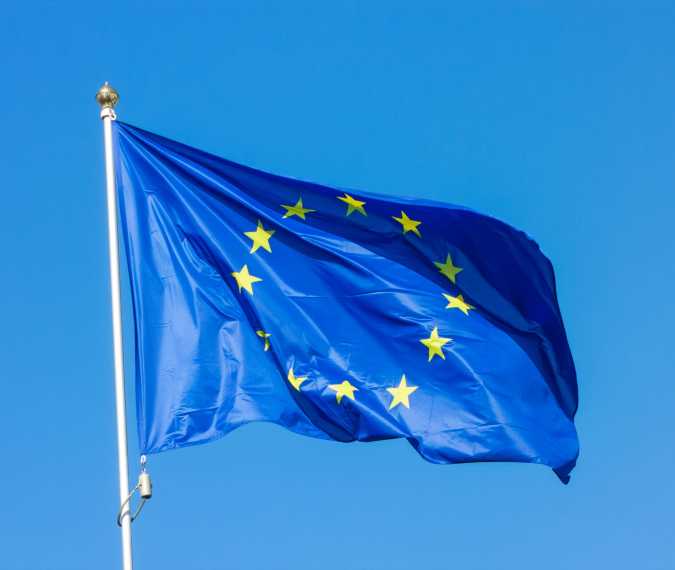
More than 99% of UK constituencies would vote to rejoin the EU, new poll shows
Britain’s relationship with Europe remains a subject of debate, and new YouGov research suggests EU membership has broad appeal when voters compare possible paths forward.
Commissioned by Best for Britain, the survey found that 35% of respondents wanted the government to propose joining the EU. Membership ranked ahead of every other individual option, although it fell short of an overall majority.
The research surveyed 11,927 people between 27 May and 11 June 2026. YouGov then used statistical modeling to estimate preferences across parliamentary constituencies in England, Scotland and Wales.
The geographical reach of support was striking. Membership came first in 628 of Great Britain’s 632 constituencies—more than 99% of the seats covered. Northern Ireland was outside that constituency analysis.
The four exceptions were Ashfield, Clacton, Great Yarmouth, and Boston and Skegness. In each, the leading response was “don’t know”. These results therefore should not be read as four constituencies decisively rejecting membership.
Another distinction lies behind the headline numbers. Coming first among several choices does not necessarily mean securing more than half the vote. Nor does this question establish the outcome of a future referendum, where voters would face a different choice and a specific set of proposed terms.
Other approaches attracted smaller shares of support. The government’s approach to closer relations received 18%, while 11% preferred loosening ties further. Keeping relations unchanged attracted 8%, joining the single market 6%, and joining a customs union 5%. Another 16% were unsure.
Support also varied geographically. Bristol Central recorded the strongest backing for membership, while Scottish constituencies accounted for seven of the ten highest-ranking seats. Best for Britain argues that the findings offer politicians an opportunity to rally support around closer European integration. That is the commissioning organization’s political interpretation of the results.
For readers following the debate through an interest in European travel, the poll offers a snapshot of public preferences. It does not itself change border arrangements or establish when—or whether—the UK might rejoin. Any practical consequences for future trips would depend on policy decisions and agreements still to come.