
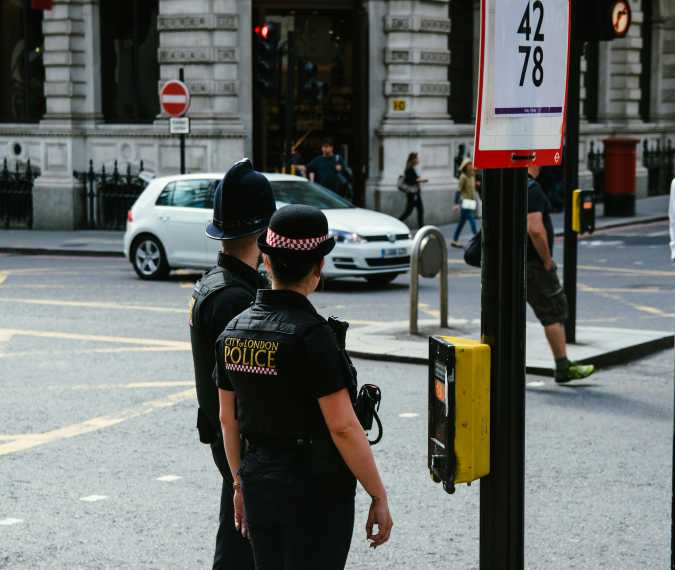
Police in UK can now take women's phones and check their period tracking app
How private is the information stored in a period-tracking app? Reported police guidance on investigations into suspected illegal abortions has brought that question into focus, drawing criticism from women’s health organizations and legal campaigners.
According to the reporting, National Police Chiefs’ Council (NPCC) guidance identifies menstrual-tracking data as a potential source of evidence in certain investigations involving pregnancy loss. Officers could examine information on a phone to assess what someone knew about their pregnancy and their intentions. Searches for abortion medication in the home were also described.
The distinction between investigative guidance and legal authority matters. Guidance does not, by itself, establish that police have been granted new powers to search phones or properties.
What Police Have Said
The NPCC’s position, as quoted in the reporting, is that unexpected pregnancy loss does not routinely trigger a police investigation. It said inquiries are initiated only when credible information suggests criminal activity.
The organization also acknowledged the distress associated with losing a pregnancy and said those involved should be treated sensitively and compassionately.
Nevertheless, critics argue that examining intimate health records can add to the trauma of an already difficult experience.
Why Health Organizations Are Concerned
The objections center on privacy, dignity and the treatment of people following pregnancy loss.
Harriet Wistrich, founder of the Center for Women’s Justice, questioned the reported lack of consultation over the guidance. She also criticized the use of criminal justice resources for intrusive investigations following potentially traumatic late terminations.
In comments cited by the original article, Royal College of Obstetricians and Gynecologists president Dr Ranee Thakar similarly argued that women in these circumstances need compassionate care and respect for their privacy.
Period-tracking app Clue also responded. Its spokesperson, Rhiannon White, said the company would contest requests from authorities for users’ health information.
A company’s position on disclosing data, however, is a separate issue from investigators seeking access to information stored on an individual’s device.
A Debate With Wider Implications
The reporting also highlighted Nicole Packer’s acquittal following allegations that she had illegally taken abortion medication during the Covid-19 lockdown. According to the account, Packer believed she was under 10 weeks pregnant when prescribed the medication, but was subsequently found to have been further along.
Together, the case and the reported guidance raise questions about how suspected offenses are investigated and how sensitive reproductive-health information is protected.
At the center of the debate is the impact on people experiencing pregnancy loss: whether investigative practices adequately respect their privacy, dignity, and need for care.