Sea lion dies at San Francisco beach after possible poisoning from algae bloom
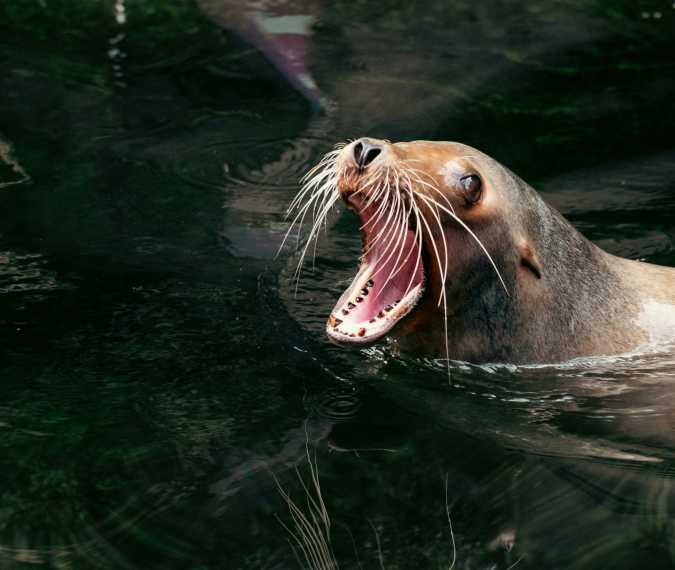
A sea lion found in distress on a San Francisco beach has died, as marine wildlife experts continue to deal with an increase in sick animals along the California coast.
The animal was discovered Monday morning on a beach in the Presidio, east of the Golden Gate Bridge. Visitors in the area could see the sea lion lying on the sand while wildlife responders assessed the situation.
Volunteers from the Marine Mammal Center, based in Sausalito, responded to assist the animal. According to the organization, the sea lion was suspected of suffering from domoic acid poisoning, a condition associated with harmful algal blooms.
The California Academy of Sciences is expected to collect the animal and conduct a necropsy to establish the precise cause of death.
Why Are Sea Lions Becoming Sick in California
The San Francisco incident comes amid reports of numerous sick sea lions appearing along California's coastline.
Domoic acid is a naturally occurring neurotoxin produced by certain types of algae. The toxin can accumulate in fish and other marine organisms without necessarily killing them. Sea lions can then receive dangerous doses when they consume contaminated prey.
Exposure can cause serious neurological problems in marine mammals and, in severe cases, can be fatal.
Changing ocean conditions, including unusually warm waters and El Niño-related conditions, can create conditions that favor harmful algal blooms.
The Marine Mammal Center has reported dealing with a significant influx of sick sea lions throughout its approximately 600-mile response area.
Hundreds of Calls Being Reported Each Day
The scale of the problem has placed considerable pressure on wildlife response teams.
According to Katie D'Innocenzo, a public information officer for the Marine Mammal Center, response hotlines have been receiving roughly 200 to 650 calls per day.
Getting help to affected animals quickly can make a big difference. Sea lions suffering from domoic acid exposure may recover with appropriate supportive care, including fluids and uncontaminated food. Severe cases that are not treated in time, however, can be fatal.
What Visitors Should Do if They See a Sick Sea Lion
For travelers visiting San Francisco's beaches and other parts of the California coastline, encountering a sea lion onshore does not automatically mean the animal needs help. Sea lions sometimes come onto beaches to rest.
However, do not approach an animal showing unusual behavior, neurological symptoms, or obvious distress.
Visitors should keep their distance, prevent pets from approaching the animal, and contact the appropriate marine wildlife authorities rather than attempting to move, feed, or assist it themselves.
This is particularly important when an animal may be suffering from neurological effects, as its behavior can be unpredictable.
Could Toxic Algae Affect California's Dungeness Crab Season?
Harmful algal blooms affect more than marine mammals.
Domoic acid has previously caused significant problems for California's Dungeness crab fisheries. Crabs can accumulate the toxin through their diet, which can result in fishing restrictions or delays when toxin concentrations reach unsafe levels.
The latest marine wildlife illnesses therefore raise broader questions about conditions along California's coast and the potential consequences for marine ecosystems and fisheries.
For visitors, the death of the sea lion near one of San Francisco's most recognizable landmarks also reminds them that the city's beaches are part of an active natural environment. Keeping a safe distance from wildlife and reporting animals that appear to be in distress can help trained responders provide assistance when it is needed.
Numerous reports of unusual seal lion behavior, with animals on shore near people.
— Christien Kafton (@CKaftonKTVU) September 7, 2026
Volunteers for Marine Mammal Center say likely cases of domoic acid poisoning from algal blooms.
Experts say stay away, keep dogs on leash and contact the marine mammal center to respond. pic.twitter.com/Z4bouUfx9Q