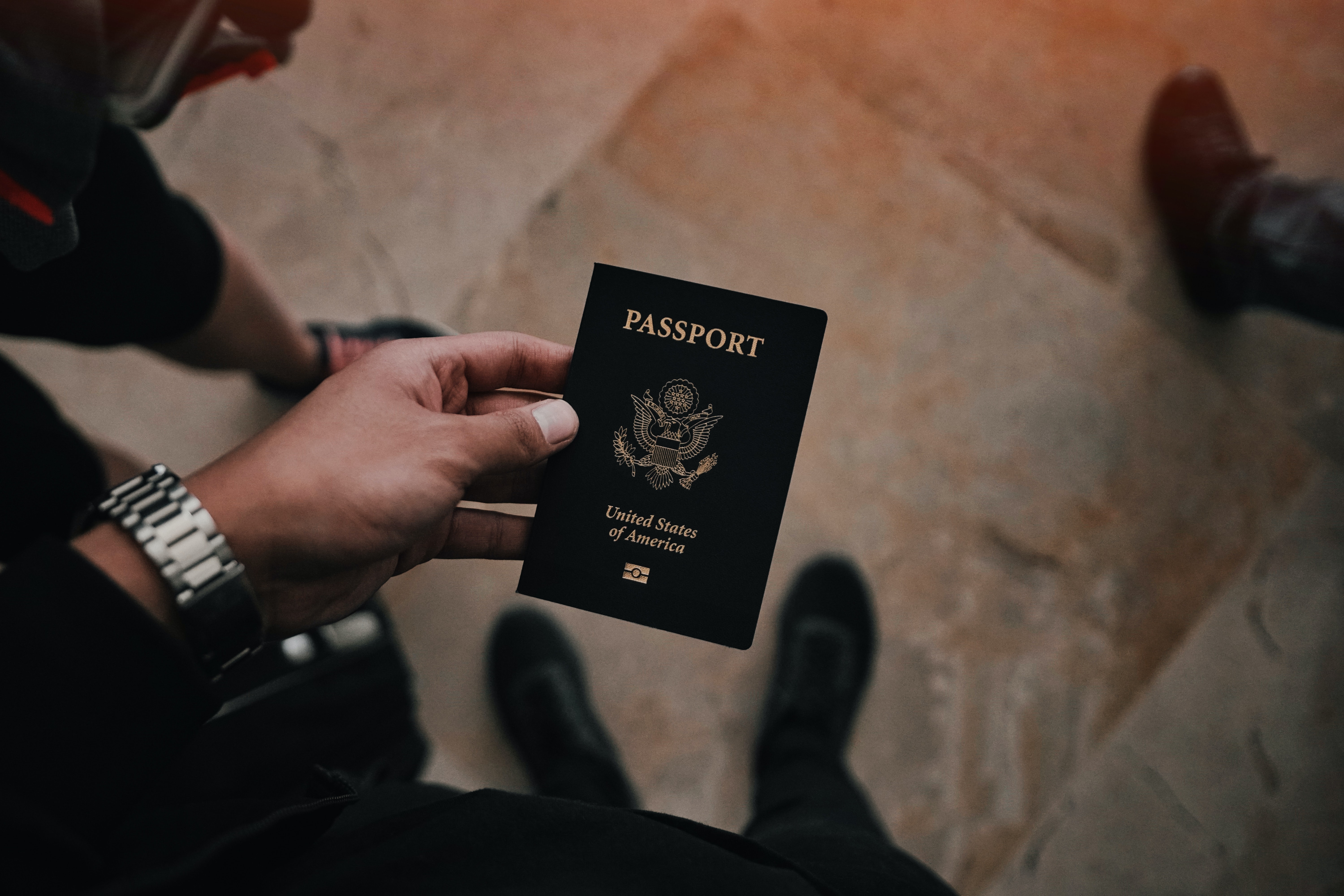

Travelers Advised to Arrive Earlier at Airports as New EU Border System Causes Delays
Passengers planning flights to and from Europe may need to rethink their arrival times at airports, as airlines warn that recent border control changes are creating longer queues and increasing the risk of missed flights.
For years, travelers have been advised to arrive at the airport about 2 hours before departure. However, airline officials now suggest that this may no longer provide enough time at some European airports.
According to Wizz Air, passengers should arrive at least 3 hours before their return flights due to delays linked to the European Union's new Entry/Exit System (EES). The digital border management system is gradually replacing traditional passport stamping and requires additional identity checks at border crossings.
The introduction of the EES includes biometric procedures such as fingerprint scanning and digital registration. While the European Commission has stated that the system is functioning effectively across most border checkpoints, airport operators have reported longer waiting times as travelers complete the new requirements.
Yvonne Moynihan, Corporate and ESG Officer at Wizz Air, said passengers should be prepared for additional queues and allow extra time when traveling through affected airports. She also recommended bringing essentials such as water and a portable phone charger, particularly during busy travel periods.
The delays are most noticeable when travelers arrive in European destinations and must pass through additional passport control procedures. As a result, airlines are encouraging passengers to factor in more time than they may have previously needed.
Travelers connecting through European airports are also being advised to schedule generous layover times. Extra time between flights can help reduce the stress of navigating border checks and minimize the chances of missing onward connections.
Not every destination is applying the new procedures in the same way. Greece, for example, has opted to temporarily suspend biometric scans at airports to reduce congestion and maintain a smooth arrival experience for visitors.
Officials from the Greek tourism sector have stated that entry procedures will largely remain unchanged from the system used before the introduction of the EES, helping travelers move through airports more efficiently.
For anyone planning European travel in the coming months, arriving earlier than usual could be the safest approach. Allowing extra time at the airport may help avoid unexpected delays and ensure a smoother start to your journey.