
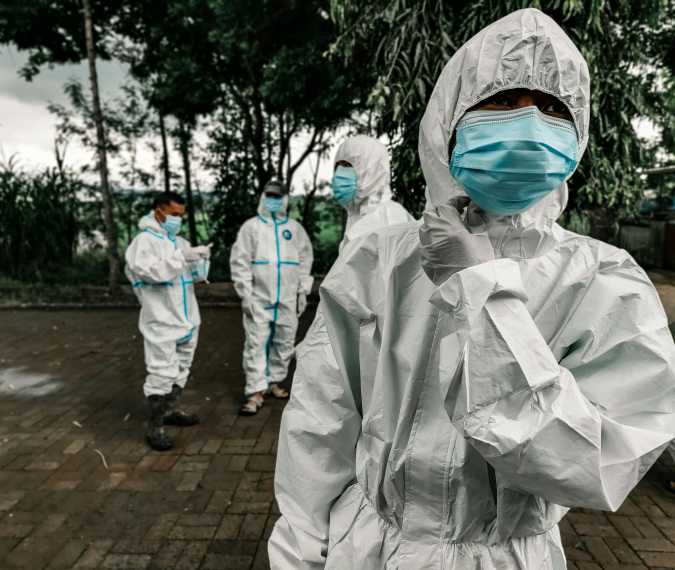
Two Possible Ebola Cases Under Investigation in Milan Following Return from Uganda
Italian health authorities are investigating two suspected Ebola infections in Milan after a man and woman returned from Uganda, where they had spent the last three months working as humanitarian aid workers.
According to reports from Italian media, the pair, originally from the Como area, began experiencing symptoms shortly after returning to Italy. Reported symptoms include high fever, nausea, vomiting, and diarrhea, raising concerns among medical officials.
The male patient reportedly developed severe intestinal issues, while the female patient is said to be experiencing neurological complications. Health authorities are closely monitoring the situation as investigations continue.
Ebola is a severe viral disease caused by members of the Orthoebolavirus family. Among its different forms, the Ebola (Zaire), Sudan, and Bundibugyo strains have historically been linked to significant outbreaks affecting human populations.
The suspected infections in Italy emerge at a time of increased international concern surrounding Ebola activity in parts of Africa. Public health agencies have been monitoring developments closely due to fears of cross-border transmission and the movement of infected individuals.
Earlier warnings from health organizations highlighted the continued spread of Ebola-related cases in affected regions, with neighboring countries also facing heightened risk.
On May 17, the World Health Organization declared the Ebola situation impacting the Democratic Republic of the Congo and Uganda a global health emergency. The decision followed growing numbers of suspected infections and deaths in eastern Congo, along with confirmed cases appearing outside the original outbreak area.
Although the WHO has stated that the global threat remains relatively low, officials continue to monitor the situation carefully due to rising case numbers, infections among healthcare personnel, and outbreaks in densely populated urban centers.
WHO Director-General Tedros Adhanom Ghebreyesus recently described the outbreak in Congo as highly challenging and serious, warning that the spread of the disease is currently progressing faster than response efforts.
Meanwhile, the Africa Centers for Disease Control and Prevention has identified ten countries at elevated risk of Ebola transmission, including Rwanda, Kenya, Tanzania, Angola, Burundi, the Central African Republic, the Republic of the Congo, Ethiopia, South Sudan, and Zambia.