
10 Ridiculously Cool Things You Didn't Know About Death Valley
Death Valley—just the name sparks curiosity and intrigue. As one of the hottest, driest, and lowest places on Earth, it’s a land of extremes. But beyond the heat and the arid desert, this unique national park offers much more than most travelers realize. Death Valley is full of fascinating surprises, from geological marvels to hidden historical treasures. This article will explore ten ridiculously cool things you probably didn’t know about this extraordinary place. Whether you’re a nature lover, a history buff, or love a good mystery, Death Valley has something that will blow your mind!
The Hottest Place on Earth
Did you know that Death Valley holds the record for the hottest temperature ever recorded on Earth? In the park, Furnace Creek reached a scorching 134°F (56.7°C) on July 10, 1913. This isn't just a one-time fluke—Death Valley routinely experiences temperatures above 120°F during the summer. What’s more interesting is how wildlife and human visitors survive and even thrive in such extreme conditions. Many desert-adapted species, like the kangaroo rat, have evolved to live with almost no water, while savvy adventurers know to explore in the cooler early morning or evening hours.
The Mysterious Sailing Stones
One of Death Valley’s most intriguing phenomena is the mysterious "sailing stones" of Racetrack Playa. These large rocks, some weighing as much as 700 pounds, appear to move across the flat desert floor, leaving long trails behind them in the dry mud. For decades, the cause of this phenomenon baffled scientists and visitors alike. It wasn’t until recent research that it was revealed that a combination of rain, ice, and wind creates the perfect conditions to slide these stones slowly across the playa's surface. The sight of these moving rocks and their long, winding tracks through the desert is surreal, like something from another world.
Photo: unsplash.com/mahbahblaph
The Mysterious Sailing Stones
One of Death Valley’s most intriguing phenomena is the mysterious "sailing stones" of Racetrack Playa. These large rocks, some weighing as much as 700 pounds, appear to move across the flat desert floor, leaving long trails behind them in the dry mud. For decades, the cause of this phenomenon baffled scientists and visitors alike. It wasn’t until recent research that it was revealed that a combination of rain, ice, and wind creates the perfect conditions to slide these stones slowly across the playa's surface. The sight of these moving rocks and their long, winding tracks through the desert is surreal, like something from another world.
Death Valley’s Rich Mining History
Before Death Valley became a national park, it was the site of a booming mining industry, especially during the late 19th century. Miners came searching for gold, silver, and, most famously, borax—also known as the "white gold of the desert." Borax mining became so central to the area that it gave rise to the famous “20 Mule Team” wagon trains that hauled the mineral out of the valley. Today, you can explore remnants of this mining era, including ghost towns like Rhyolite, abandoned mines, and the old Harmony Borax Works, which stand as a testament to Death Valley’s industrial past.
A Geologist’s Dream
For geologists and geology enthusiasts, Death Valley is a treasure trove. The park contains some of the most striking geological formations in North America. From multicolored sedimentary layers in places like Artist’s Palette to the deep cracks of Mosaic Canyon, the landscape tells a story that spans millions of years. One of the most impressive features is Badwater Basin, the lowest point in North America at 282 feet below sea level. This vast salt flat was once covered by an ancient lake, leaving salt deposits and fascinating patterns in the ground that shimmer under the harsh sun.
Photo: unsplash.com/jplenio
Extreme Elevation Changes
Death Valley is a place of dramatic contrasts, none more evident than its extreme elevation changes. From the depths of Badwater Basin, you can see Telescope Peak, which rises to over 11,000 feet. This extreme difference in elevation within such a relatively short distance creates a striking contrast in landscapes and ecosystems. You can go from arid desert flats to alpine forests within the same park—a journey few places on Earth can offer.
Rare Superblooms
While Death Valley is known for its desolate, barren landscape, it transforms into something extraordinary every few years: a sea of wildflowers. This event, known as a superbloom, happens only when perfect weather conditions align—usually after a stormy winter. The ordinarily dry soil springs to life with vibrant patches of yellow, purple, and white blooms, carpeting the valley floor and drawing visitors worldwide. The last super bloom occurred in 2016, but any year with enough rain could bring another floral explosion. If you’re lucky enough to witness one, it’s a sight you’ll never forget.
Ancient Lake Manly
Long before Death Valley became the dry, harsh environment it is today, it was home to a massive lake called Lake Manly. This ancient body of water once filled the entire valley during the Ice Age. As the climate warmed, the lake evaporated, leaving behind an arid desert and the salt flats we see today. Evidence of Lake Manly can still be found in the valley’s sediments and the remnants of shorelines etched into the surrounding mountains.
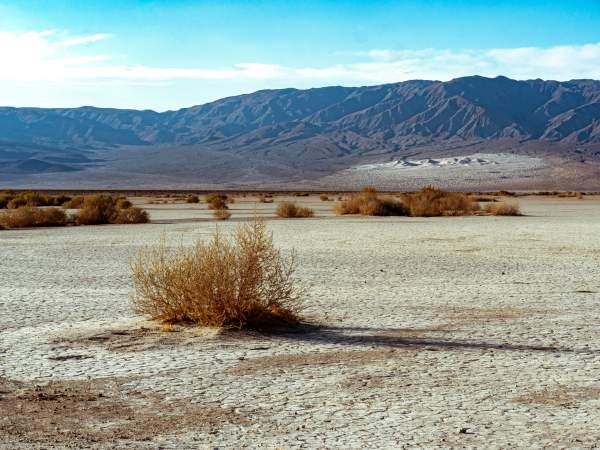
Photo: unsplash.com/jamie452
Death Valley’s Dark Sky Park Status
If you’re a fan of stargazing, Death Valley is one of the best places in the world to do it. Designated as a Dark Sky Park by the International Dark-Sky Association, Death Valley offers some of the darkest night skies in the United States. The vast, open spaces and absence of light pollution make it perfect for observing the Milky Way, constellations, and even meteor showers. In fact, during winter, you can see celestial sights with the naked eye which is impossible to observe in most other parts of the world.
Wildlife Surviving in Harsh Conditions
Despite its harsh environment, Death Valley is teeming with life—if you know where to look. The valley is home to several species that have adapted to its extreme conditions, such as the desert bighorn sheep, the sidewinder rattlesnake, and the Death Valley pupfish. This tiny fish lives in isolated saltwater pools. These animals have evolved remarkable ways to survive in temperatures exceeding 120°F, making them desert survivors. The flora is equally fascinating, with hardy plants like creosote bush and mesquite thriving in the desert landscape.
Death Valley’s Unique Climate Zones
While Death Valley is known for its extreme heat, the park’s vast size means it contains a variety of climate zones. On the valley floor, temperatures can soar to record-breaking levels, but the climate becomes more relaxed and temperate as you ascend into the Panamint Range. Telescope Peak, the highest point in the park, can even receive snowfall during winter. This variety of microclimates within Death Valley creates a surprising range of ecosystems, from barren deserts to lush oases.
Fascinating Filming Location
With its otherworldly landscapes, Death Valley has been a popular location for filmmakers. It has been used as a stand-in for alien planets, post-apocalyptic worlds, and Old West settings in movies and TV shows. Some of the most famous productions filmed here include scenes from "Star Wars: A New Hope," "The Twilight Zone," and "Django Unchained." The dramatic scenery of places like Zabriskie Point and the Mesquite Flat Sand Dunes make Death Valley a favorite among location scouts looking for visually stunning backdrops.
Death Valley is far more than just an unforgiving desert. It’s a place of hidden beauty, mystery, and history that captivates those who visit. From the rare and beautiful super blooms to the unexplained phenomena of the sailing stones, Death Valley offers experiences you won’t find anywhere else on Earth. So, the next time you plan a trip, consider venturing into this land of extremes—you might discover something ridiculously cool!