
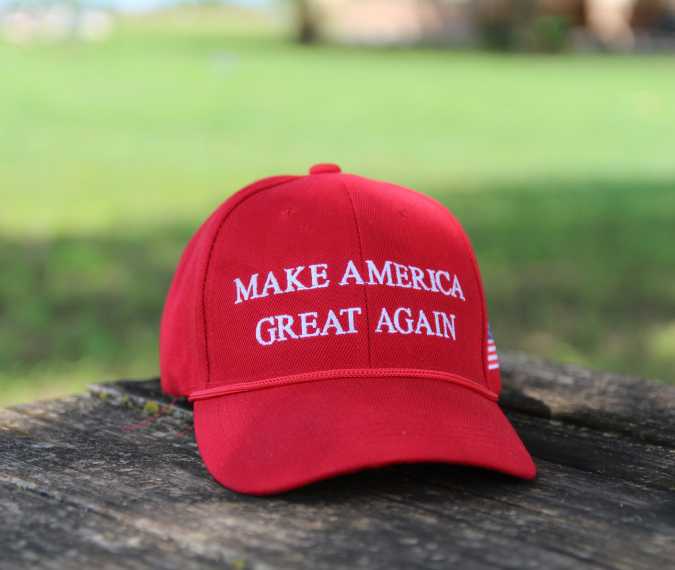
AI predicts what America would look like if Trump never ran for president and gives stunning response
What would American politics look like if Donald Trump had never entered the presidential race? A response from Grok, the AI chatbot available on X, explores that question—and raises another: how much can anyone confidently say about a history that never happened?
Asked to imagine the United States without Trump’s presidential bid, Grok suggested Hillary Clinton likely would have won in 2016. It described a possible future with different Supreme Court decisions, less confrontational trade relations, and a Republican populist movement developing around other leaders.
That starting point deserves caution. Removing Trump from the race would also have changed the Republican nominee, campaign strategy, and electoral dynamics. A Clinton victory is one possible scenario, rather than an outcome that can be established.
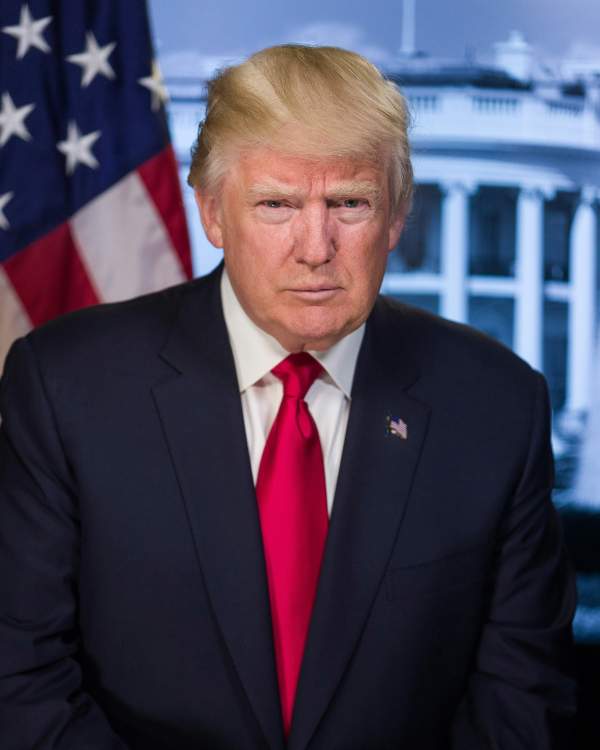
Photo: unsplash.com
Grok’s discussion of the Supreme Court illustrates how far those uncertainties extend. A different president could have made different judicial nominations, potentially affecting decisions on abortion, regulation, and civil rights. But the Court’s direction would also have depended on vacancies and the Senate’s willingness to confirm nominees. Describing an alternative Court as inevitably liberal would oversimplify that process.
The chatbot also imagined a less confrontational approach to China and a political atmosphere less dominated by personality. At the same time, it suggested that disputes over immigration, manufacturing and cultural change would have continued to shape American politics, even without Trump as their central figure.
These possibilities make for an interesting thought experiment. They do not establish that political trust, the pandemic response or international relations would necessarily have developed more smoothly.
The discussion arrives ahead of the US midterm elections on November 3, 2026, when voters will again help determine the balance of power in Congress.
Predictions about that real election require a different kind of scrutiny. Reuters has identified several factors that could limit Democratic gains, including turnout challenges, Republican financial advantages, and a relatively small number of competitive House races. Those conditions make sweeping claims about the result premature.
Grok’s response offers a starting point for discussing Trump’s influence. Its value lies in the questions it raises about leadership, institutions, and the forces behind political change. Confident wording from a chatbot cannot resolve the uncertainty of an election that has yet to happen—or a presidential race that never took place.