Barcelona is banning all Airbnb apartments by 2028
Travelers planning future trips to Barcelona may need to rethink how they stay in the city. One of Europe’s most visited destinations is preparing for a major change: by late 2028, short-term tourist apartments similar to Airbnb listings will be completely phased out.
The decision was first announced in June 2024 by Barcelona’s mayor, Jaume Collboni. Under the plan, the city will stop issuing new tourist apartment licenses and allow all existing permits to expire without renewal. More than 10,000 licensed properties are affected.
Property owners challenged the measure in court, hoping to stop the plan from moving forward. However, in March 2025, Spain’s Constitutional Court rejected those appeals, confirming Barcelona’s authority to enforce the policy. With that ruling, the city’s roadmap toward the ban became official.
The driving force behind the move is Barcelona’s ongoing housing crisis. Over the last decade, rental prices in the city increased by 68%, while home prices rose by 38%. Local residents, particularly younger generations, have struggled to afford housing in neighborhoods increasingly dominated by short-term rentals. City officials argue that housing should serve residents first, rather than primarily serve as tourist accommodation.
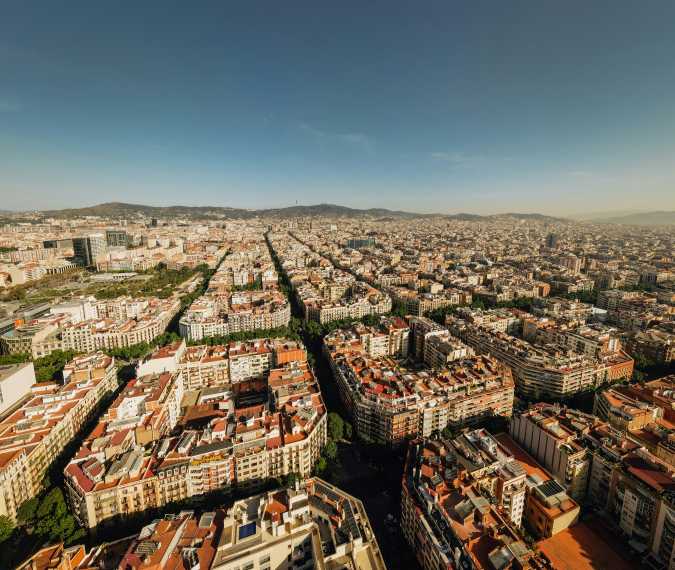
For visitors, the impact will be significant. After November 2028, travelers will no longer be able to reserve entire apartments for short city stays through platforms like Airbnb. Traditional accommodation options—including hotels, hostels, and licensed guesthouses—will still remain available. But booking a private apartment in areas such as the Eixample or the Gothic Quarter may soon become a thing of the past.
Barcelona is taking a much more aggressive approach than many other European destinations. Cities such as London and Paris have introduced annual limits on short-term rentals, restricting how many days a property can be offered to visitors. Barcelona, however, is becoming the first major European city to pursue a complete phase-out.
For travelers and locals alike, this decision could reshape the future of tourism and housing in one of Europe’s most iconic cities.