

COVID-19 Trends Rise Across 47 States: What Travelers Should Know
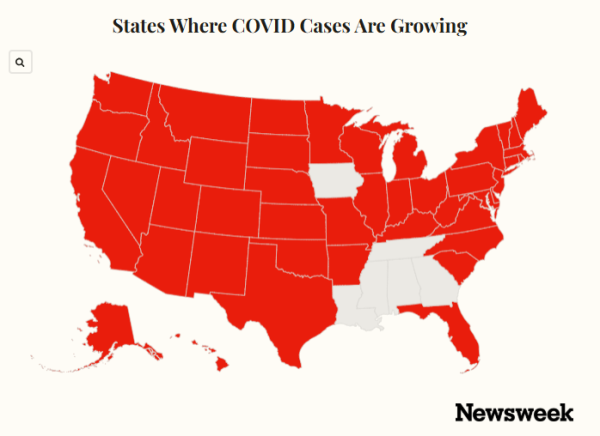
COVID-19 deserves a place on travelers’ pre-trip checklists as summer gives way to fall. CDC estimates dated September 2, 2026, show infections growing or likely to grow in 47 states. Three states had trends classified as unchanged, and none showed an estimated decline. For anyone preparing for a vacation or family visit, those figures offer a reason to review health precautions before departure.
Understanding the numbers helps put the headlines in perspective. The CDC’s epidemic map estimates transmission trends using emergency department data. It does not count every infection or, by itself, show how much illness a destination is experiencing. A rising trend can occur when overall activity is relatively low, so travelers should consider it alongside other measures, including the proportion of emergency department visits associated with COVID-19.
For trip planning, these distinctions matter. A state’s trend category alone cannot determine an individual traveler’s risk. Your health, planned activities, and opportunities to reduce exposure also deserve consideration.
Before leaving, review recommended immunizations with your healthcare provider, particularly if you or a travel companion may be vulnerable to severe illness. The CDC also recommends cleaner indoor air and good hygiene. Masks, testing, and physical distancing provide additional protection, especially when respiratory illnesses are increasing. On a trip, that can mean choosing well-ventilated spaces and considering a well-fitting mask in crowded indoor settings.
A plan for unexpected symptoms is just as useful as a packing list. Respiratory infections can bring cough, sore throat, congestion, fever, fatigue, and body aches. If you develop symptoms that another cause does not explain, the CDC advises staying home and away from others. Its air-travel guidance recommends delaying travel when an acute respiratory infection is confirmed or suspected until you are no longer considered contagious.
Older adults and people with certain medical conditions or weakened immune systems should contact a healthcare provider promptly if COVID-19 is suspected, even when symptoms seem mild. Treatment can reduce the risk of hospitalization and death, but it must begin quickly—within five to seven days after symptoms start, depending on the medication. Testing can help guide decisions, but people at higher risk should not delay seeking advice while waiting for a positive result.
For everyday activities, the CDC advises waiting until symptoms have improved overall and you have been fever-free without fever-reducing medicine for at least 24 hours. It then recommends five days of added precautions, such as masking, cleaner air and distancing, because transmission may still be possible during recovery.
As departure approaches, check the date of any health update you read and review the change policies for your transport and accommodation. Leaving room to adjust an itinerary makes it easier to respond if illness interrupts your plans.
Source: newsweek.com

