
Key 'American Covid' advice as Brits told 'stay at home' in six-symptom message
A sore throat, blocked nose, or sudden loss of energy can leave you wondering whether you have a cold, flu, or Covid-19. These illnesses share many symptoms, so how you feel alone cannot reliably identify the infection. What matters is recognizing when you are unwell and taking steps to protect others.
What does “American Covid” mean?
“American Covid” is a media nickname for the XFG variant, not an official medical name. According to the UK Health Security Agency, the label refers to where the strain was first sequenced and detected, which does not necessarily establish where it originated.
In its October 2026 update, UKHSA reported no indication that the variants discussed were causing more severe illness than other circulating variants. Claims about a variant’s prevalence also need context: sequencing reports describe tested samples from a particular period and location, rather than every infection across the UK.
Symptoms can extend beyond a cough.
Covid can cause a sore throat, a runny or blocked nose, fever, body aches and headaches. Tiredness can also be prominent, while some people experience nausea, vomiting or diarrhea. Changes in taste or smell and breathlessness are also recognized symptoms.
This range explains why an infection may initially resemble a cold, flu or stomach illness. However, neither a particularly painful throat nor a certain type of headache proves that someone has Covid or a specific variant.
When should you stay at home?
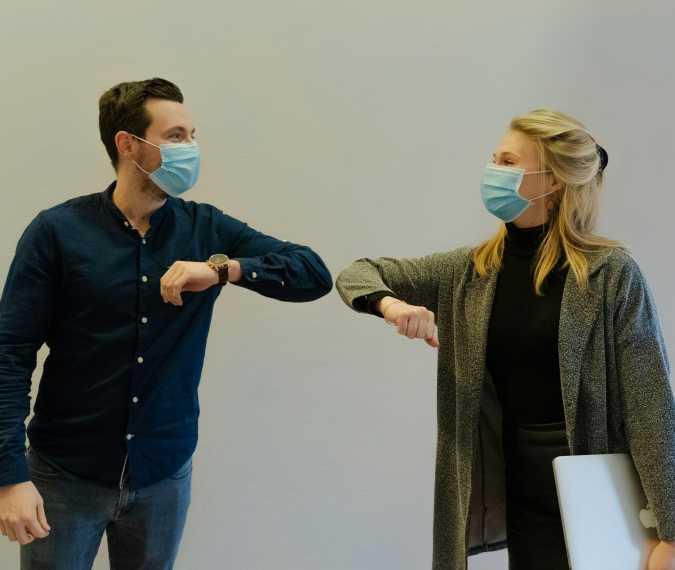
NHS advice in England is to try to stay home and avoid contact with others if you have symptoms and either a high temperature or feel too unwell for normal activities. Rest and fluids can help during recovery. If you must go out while unwell, wear a well-fitting mask and avoid crowded, poorly ventilated spaces to reduce the risk to others.
Most people with symptoms do not need a COVID test. However, people eligible for COVID treatments should test promptly when symptoms begin. If the result is positive, they should contact their GP, specialist or NHS 111 as soon as possible.
For adults who test positive, NHS advice in England is to try to stay home for five days after the test day and avoid people at increased risk of serious illness for ten days. Guidance elsewhere in the UK may differ.
Seek medical advice if symptoms worsen or cause concern. In an emergency, call 999. A familiar-looking winter illness still deserves attention when you are getting worse.