I Paid for a Window Seat, but the Middle Seat Passenger Closed the Shade—Who Actually Gets to Control It?
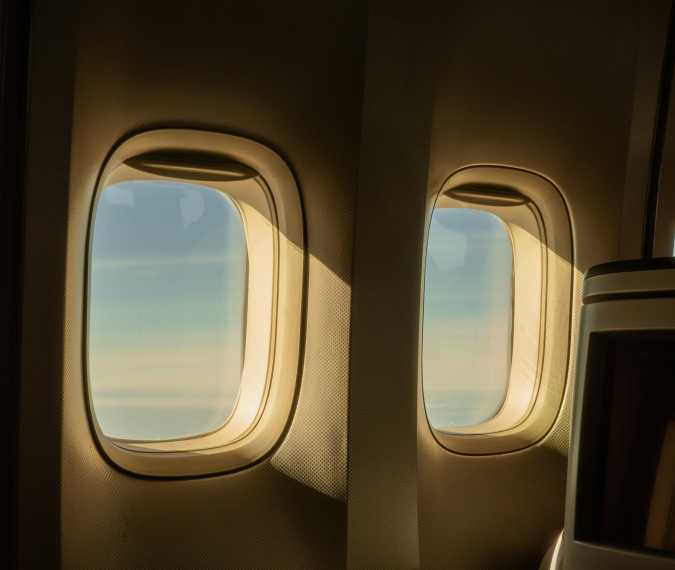
A window seat offers something the rest of the row cannot: a view beyond the cabin. But when one passenger wants to watch the scenery and another wants to sleep, that small sliding shade can become a source of tension.
The practical answer is straightforward: the person beside the window generally gets to adjust it as a matter of etiquette. That courtesy, however, comes with a responsibility to consider nearby passengers—and to follow the cabin crew’s instructions.
Start with the crew’s instructions.
Before debating whose preference should prevail, listen to the flight attendants. Requirements for window shades vary, particularly during departure and arrival.
British Airways, for example, requires blinds to remain open during takeoff and landing. Writing in the airline’s High Life magazine, Senior First Officer Al Smith explains that visibility outside helps passengers and crew assess conditions if something goes wrong.
Amsterdam Airport Schiphol also explains that open blinds help crew identify hazards outside and determine which side of an aircraft may be safe for evacuation.
These safety considerations take priority over a passenger’s preference for darkness or a view. Follow the instructions given on your particular flight.
A window seat comes with consideration.
During the flight, when the crew has given no specific direction, letting the window-seat passenger manage the shade is a sensible courtesy.
That does not mean everyone else’s comfort becomes irrelevant. Bright sunlight can disturb sleeping passengers or create glare on a nearby screen. Equally, someone may have chosen the window seat because watching the landscape is an enjoyable part of the journey.
A reasonable approach is to notice the conditions around you. If the cabin is dark and nearby passengers are resting, consider lowering the shade. If someone asks for a brief look outside, opening it for a moment may be an easy compromise.
Ask before reaching across.
If you're in a middle or aisle seat, ask before adjusting the shade beside another passenger. Reaching across their body or into their space can turn a minor preference into an uncomfortable encounter.
A simple request usually gives the conversation a better start: “Would you mind lowering the shade? The sunlight is catching my screen.”
The same principle applies if you want it opened. Explain what you would like, and give the other person a chance to respond.
If a disagreement continues, ask a flight attendant for help rather than repeatedly changing the shade.
A window seat gives you the closest access to the view. Keeping the experience pleasant still depends on a little cooperation from everyone in the row.