
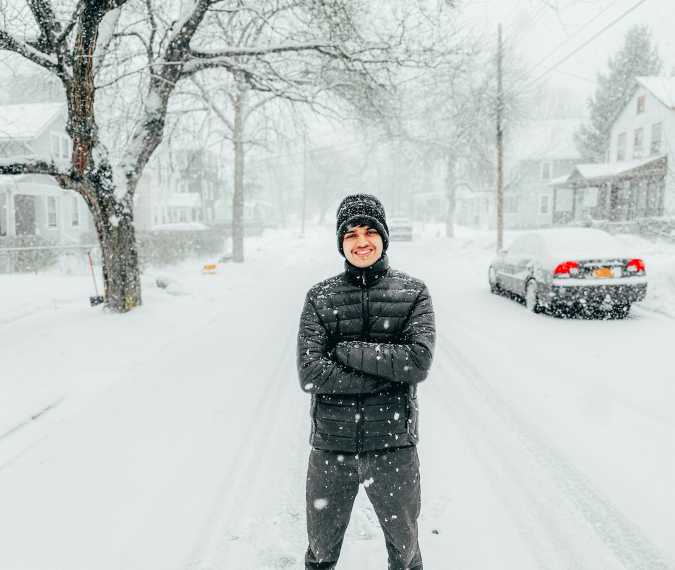
Expert lists seven items to urgently stock up on as Arctic storm heads to the US
A winter storm can disrupt much more than travel. When electricity fails or roads become impassable, households may lose access to heating, essential supplies, and reliable communication. Preparing ahead can make those disruptions easier to manage.
The National Weather Service advises keeping emergency supplies at home, including food that needs no cooking, drinking water, prescription medicines and battery-powered lighting. Household plans should also account for babies and pets.
In comments reported by UNILAD in the supplied article, power engineer Heather Eason highlighted seven additional items to consider when preparing for an extended outage:
1. A phone power bank. Have a charged backup available to help keep your phone usable for calls and emergency updates.
2. LED lanterns. Battery-powered lighting can help illuminate rooms when the electricity goes out.
3. Spare batteries. Check which sizes your emergency equipment uses and keep replacements together in an accessible place.
4. A portable battery power station. Depending on its capacity and output, a unit may support selected devices during an outage. Check its specifications against your equipment’s requirements.
5. Suitable extension cords. Choose cords appropriate for the equipment and conditions, and follow the manufacturer’s instructions.
6. Propane for an outdoor gas grill. For households that already use a grill, fuel can support outdoor cooking. Never use a grill for indoor cooking or heating.
7. Compatible solar panels. These may help recharge suitable backup equipment, although their usefulness depends on sunlight, weather, and system compatibility.
Use backup equipment safely.
Fuel-burning equipment creates carbon monoxide, an invisible, odorless gas that can be deadly. The CDC says portable generators must operate outdoors, more than 20 feet from doors, windows, and vents. Never run one inside a home or garage, even with the doors open.
Install battery-operated or battery-backup carbon monoxide detectors near sleeping areas. Never use a gas oven to heat your home or operate a portable gas camping stove indoors.
Prepare your plumbing, too.
Freezing conditions can also damage water pipes, particularly those running through unheated spaces or poorly insulated exterior walls.
The American Red Cross recommends insulating vulnerable pipes, disconnecting outdoor hoses, and draining outdoor water lines appropriately. Opening kitchen and bathroom cabinet doors allows warmer air to reach plumbing; move cleaning chemicals out of children’s reach first.
During very cold weather, a trickle of water through a faucet serving exposed pipes can help prevent freezing. Follow any instructions from your local water utility.
If you suspect a frozen pipe and cannot safely locate or thaw it, contact a licensed plumber. Never use a blowtorch or another open flame to thaw plumbing.
Before severe weather arrives, review your household’s supplies and check local forecasts and emergency notices. Preparing for expected conditions helps you decide what you actually need.