
Experts Identify Key Indicators That Suggest El Niño Could Be Near
Climate scientists are closely monitoring conditions across the Pacific Ocean as signs continue to point toward the possible development of El Niño in the coming months.
El Niño is a natural climate pattern linked to unusually warm ocean surface temperatures in the central and eastern Pacific. Although it is not caused by global warming, researchers warn that climate change may intensify its impacts, leading to more severe weather events worldwide.
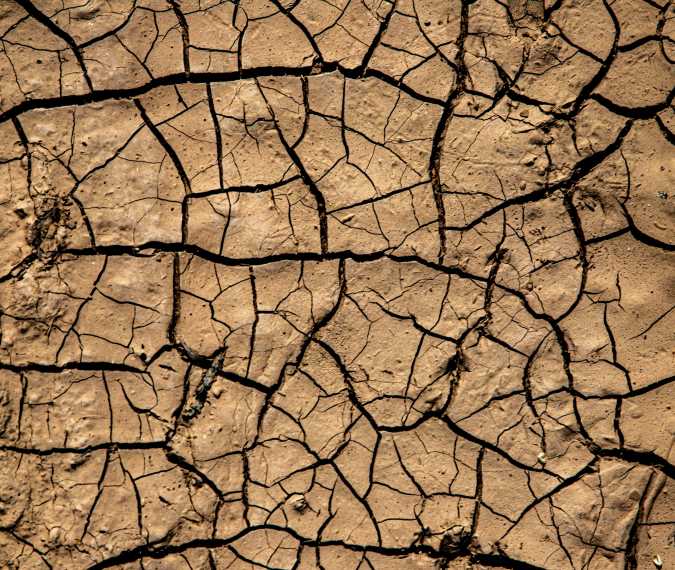
The phenomenon is known for disrupting normal weather patterns and can contribute to a range of extreme conditions, including intense rainfall, flooding, droughts, and increased wildfire risk in different regions.
According to Michelle L’Heureux, a physical scientist at the National Oceanic and Atmospheric Administration (NOAA) Climate Prediction Center, experts rely on several key indicators to determine whether El Niño is developing.
The most important factor is sea surface temperature in the east-central equatorial Pacific Ocean. Scientists track temperature anomalies in this region because sustained warming is one of the clearest signs that El Niño conditions may be forming.
However, ocean temperatures are only part of the picture. Researchers also monitor atmospheric pressure patterns, which can influence weather systems and help reveal broader climate shifts associated with El Niño.
Wind behavior across the Pacific is another critical signal. Changes in wind strength and direction often accompany the development of the phenomenon and provide valuable information about evolving ocean-atmosphere interactions.
Rainfall patterns in the equatorial Pacific are also carefully observed. Increased precipitation in certain areas can indicate that El Niño-related changes are underway.
While some observers have suggested that a particularly powerful event could emerge this year, NOAA does not officially use the term "Super El Niño." Instead, the agency classifies events by strength, from weak to very strong.
Scientists emphasize that uncertainty remains regarding the potential intensity of any upcoming El Niño event. Current forecasts suggest that conditions could develop during the May-to-July 2026 period, although future observations will determine how the situation evolves.
If both oceanic and atmospheric indicators continue to align, NOAA may issue an official El Niño Advisory, formally announcing the onset of the climate pattern.
Because El Niño can influence weather conditions across large parts of the globe, experts continue to watch developments closely. Early detection helps governments, businesses, and communities prepare for possible shifts in rainfall, temperature, and the likelihood of extreme weather events.