
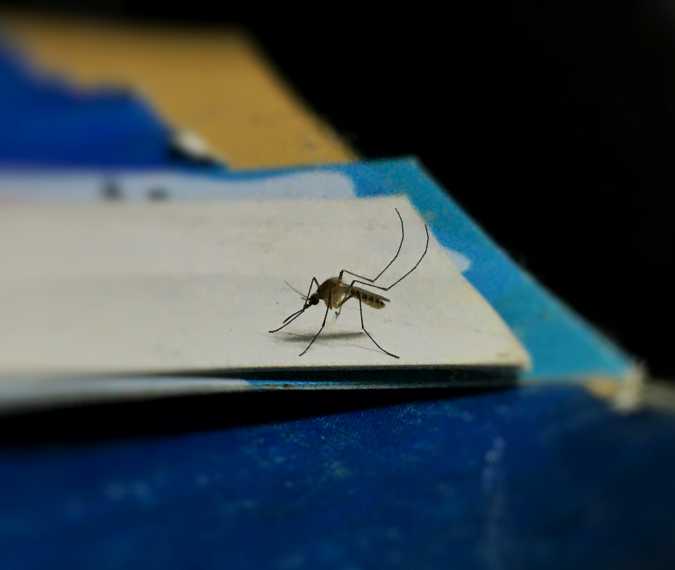
Google Seeks Approval to Release Millions of Mosquitoes in California
When people think about technology companies solving problems, mosquitoes are probably not the first thing that comes to mind. Yet Google is backing an ambitious project that could help reduce populations of disease-spreading insects by releasing millions of specially treated mosquitoes into the environment.
According to an application submitted to the U.S. Environmental Protection Agency (EPA), the initiative, known as the Debug Project, is requesting permission to release up to 64 million mosquitoes across California and Florida over a two-year period. Half of those insects would be released in California.
While the concept may sound unusual, experts say it is based on a well-established scientific method rather than futuristic technology. The mosquitoes involved are not genetically engineered drones or surveillance devices. Instead, they are real insects carrying a naturally occurring bacterium that prevents successful reproduction.
The strategy focuses on male mosquitoes, which do not bite humans. These sterile males are released into targeted areas where they mate with wild female mosquitoes. As a result, the females produce eggs that fail to hatch, gradually reducing the local mosquito population and limiting the spread of mosquito-borne diseases.
Entomologists describe the approach as one of the most effective and environmentally responsible methods available for controlling insect populations. The technique, known as the Sterile Insect Technique (SIT), has already been used successfully worldwide to suppress or eliminate various agricultural pests.
Experts note that the released male mosquitoes would continue to play a role in local ecosystems. They can serve as pollinators and as a food source for other animals, helping minimize environmental disruption.
California is already familiar with the Sterile Insect Technique. Since 1996, the state has operated a large-scale program targeting the Mediterranean fruit fly, a pest that threatens agricultural production. Through regular releases of sterile flies across Southern California, officials have significantly reduced infestations and protected crops from damage.
More recently, state authorities implemented a similar program in Santa Clara County after Mediterranean fruit flies were detected there. Hundreds of thousands of sterile flies are released weekly to prevent the pest from establishing permanent populations.
Applying the same concept to mosquitoes presents additional challenges. Unlike agricultural pests, mosquitoes can transmit diseases to humans, making accuracy essential. Scientists must ensure that only sterile male mosquitoes are released, as the accidental release of females could undermine the project's objectives.
Although Google's exact timeline remains uncertain, information included in the permit application suggests releases could begin as early as next year if regulatory approval is granted.
In the meantime, experts continue to encourage residents to take simple steps to reduce mosquito breeding around their homes. Removing standing water from gardens, containers, and other outdoor areas remains one of the most effective ways to limit mosquito populations.
Researchers and environmental specialists are watching the project with interest. If successful, the initiative could provide a long-term, environmentally sustainable solution to reduce dangerous mosquito populations and lower the risk of mosquito-borne diseases in affected communities.

