15 years ago, they changed its name. Here's why Chicago will never call it "Willis Tower"
A landmark can acquire a new name in a single day. Getting a city to use it can take much longer.
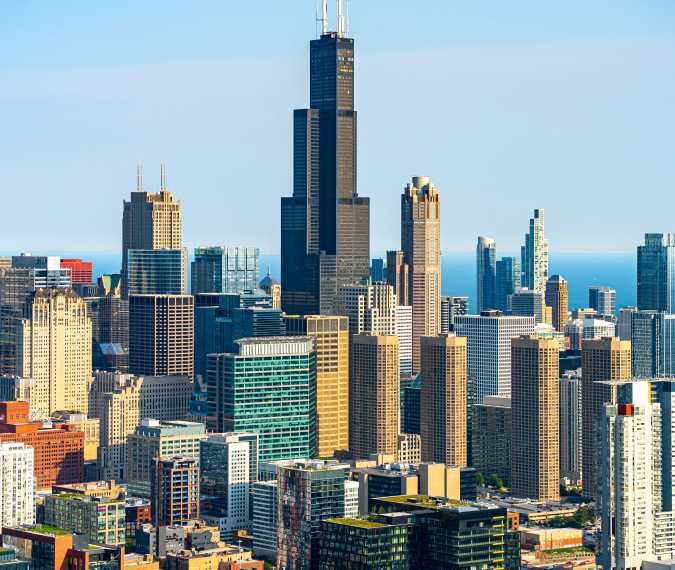
Chicago’s Willis Tower is a familiar example. Although the skyscraper officially changed names on July 16, 2009, many Chicagoans still call it the Sears Tower. The older name remains closely connected to the building’s place in the city’s history.
That connection began with Sears, Roebuck and Co., which commissioned the tower to bring employees together and provide room for future growth. Completed in 1973, the skyscraper became the world's tallest building. Its striking silhouette helped make a corporate headquarters into a symbol of Chicago’s ambition.
Over the following decades, “Sears Tower” became a familiar part of how people described their city. By the time another company’s name appeared on the building, the original had earned recognition across generations.
The change came through a leasing agreement. London-based insurance broker Willis Group Holdings arranged to occupy more than 140,000 square feet of office space, with naming rights included in the deal. Contrary to the idea that Willis paid a fortune to replace the Sears name, the company said it paid no additional charge for those rights.
Sears had already moved its headquarters to the suburbs. From a business perspective, a new tenant’s name marked another chapter in the building’s life. Some city and business leaders welcomed Willis's arrival and the investment it represented. The reaction was never as unanimous as the popular story of an outraged city sometimes suggests.
Still, the attachment to the old name proved durable. Residents’ reluctance to adopt “Willis Tower” was documented when the change took effect, and the Chicago Architecture Center still acknowledges the nostalgic use of “Sears Tower.”
That loyalty is ironic: Sears was a corporate name, too. Over time, however, it gained associations that extended beyond the retailer. For many people, it came to represent a familiar skyline and a particular chapter of Chicago’s story.
The two names now reflect different relationships with the same landmark. Willis Tower identifies the building officially; Sears Tower recalls how many people first came to know it. That enduring familiarity helps explain why a name can remain part of a city’s vocabulary long after the signs have changed.