
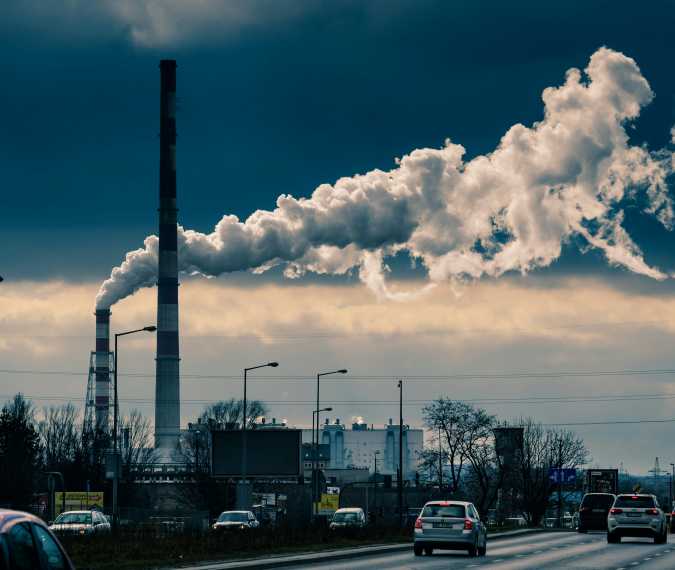
Millions Urged To Stay Inside In 11 States Over Air Quality
Here’s a fully rewritten, original version that keeps the facts while reading like a fresh news-style article suitable for publication. Note that because your source appears to be a news article, I transformed the structure and wording rather than creating a close copy.
Millions Across Multiple U.S. States Advised to Remain Indoors as Air Quality Worsens
Residents across large parts of the United States are being warned to reduce time outdoors as hazardous air conditions impact millions of people. Air quality alerts are active across numerous states in the Northeast and Mid-Atlantic regions, while smoke from ongoing wildfires is creating additional concerns in Southern California.
Meteorologists and health officials have issued warnings covering at least 11 states, urging people—particularly those at greater health risk—to limit exposure until conditions improve.
Air Quality Warnings Affect Major Population Centers
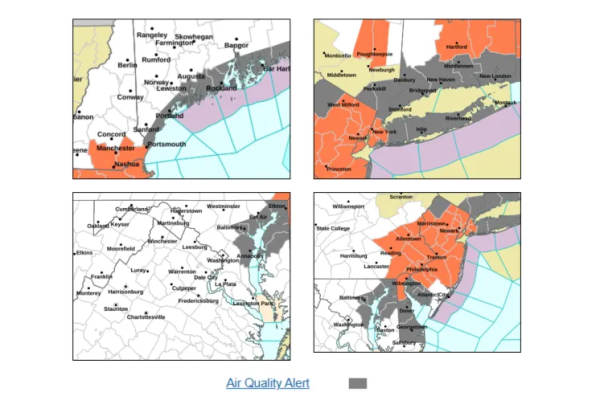
The current advisories extend across a broad section of the eastern U.S., impacting densely populated regions including New York City, Long Island, northern New Jersey, Philadelphia, and surrounding areas.
States affected by alerts include New York, New Jersey, Connecticut, Massachusetts, Rhode Island, New Hampshire, Maine, Pennsylvania, Delaware, and Maryland.
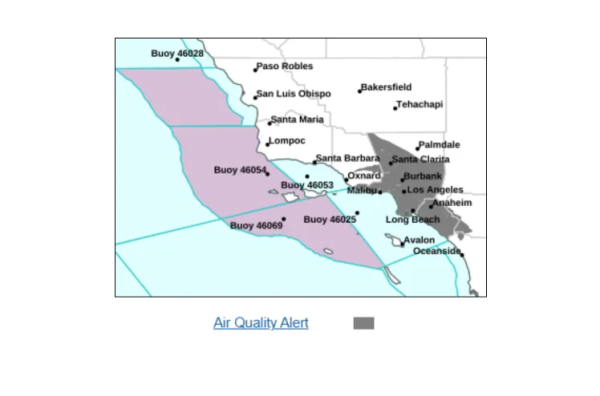
Meanwhile, on the West Coast, areas of Southern California are also experiencing unhealthy air conditions. Communities in and around Los Angeles and Orange County are experiencing deteriorating air quality as wildfire smoke moves through the region.
Many of the warnings are expected to remain active from Tuesday morning into the evening hours.
Health Officials Recommend Taking Precautions
Authorities are encouraging residents, especially those who may be more vulnerable to pollution-related health issues, to take preventive measures.
Suggested safety steps include:
Reduce outdoor activity, particularly exercise or physically demanding tasks
Spend more time indoors during the hottest afternoon periods
Keep windows closed and use air conditioning or air filtration systems when possible
In wildfire-affected areas, wear an N95 mask outdoors if necessary
Limit activities that worsen indoor air conditions, such as burning candles or grilling
Why Air Conditioning Has Become Hazardous
Smog and Ozone Concerns in the East
According to weather officials, elevated ground-level ozone is the main factor behind poor air quality across the Northeast and Mid-Atlantic.
This type of ozone develops when emissions from vehicles and industrial sources combine with sunlight. Warm temperatures and clear skies accelerate the chemical process, leading to higher pollution levels.
Crowded urban environments and heavy traffic can further worsen conditions. In addition, high-pressure weather systems often trap pollutants close to the surface, preventing them from dispersing.
Wildfire Smoke Affecting Southern California
In California, active wildfires are creating a separate air quality challenge. Smoke from fires—including the Sandy Fire near Simi Valley—is being carried by winds toward Los Angeles and surrounding coastal communities.
Officials warn that pollution levels in some locations could reach categories considered “Unhealthy” or “Unhealthy for Sensitive Groups.”
Wildfire smoke contains microscopic particles that can travel deep into the respiratory system, creating additional health concerns.
Health Risks Linked to Air Pollution
Medical experts consider ozone pollution and airborne fine particles among the most significant environmental health threats.
Exposure can lead to:
Coughing, breathing discomfort, and airway irritation
Increased asthma symptoms and worsening heart or lung conditions
Greater chances of respiratory illness and hospital visits
Data from the American Lung Association highlights the scale of the issue:
More than 129 million Americans have recently been exposed to unsafe ozone conditions
Approximately four out of every ten people live in areas with unhealthy pollution levels
Nearly half of all children in the U.S. reside in locations with concerning air quality conditions
Ground-level ozone is particularly concerning because it can damage lung tissue and increase vulnerability to illness.
Who Faces the Highest Risk?
While unhealthy air can affect anyone, certain groups are more likely to experience health complications during pollution events. These include:
Children and older adults
Individuals with asthma or chronic heart and lung conditions
Outdoor workers and people engaged in regular physical activity
Monitoring local air quality reports and reducing exposure can help minimize health risks until conditions improve.

