
Woman who bought house aged 25 on salary of £27k explains how she did it
For Layla Phillips, the challenge of buying her first home was finding somewhere she could afford on one income—and somewhere with a garden for her two dogs.
Earning £27,000 a year as a local government officer, she believed purchasing a suitable property outright was beyond her borrowing budget. Shared ownership offered another route: buying a portion of a home while paying rent on the remaining share.
According to the account of her purchase, Phillips was 25 when she bought a 25% stake in a property valued at £265,000. She completed the purchase in August 2023.
Her share was worth £66,250, allowing her to put down a £6,625 deposit—10% of the portion she was buying.
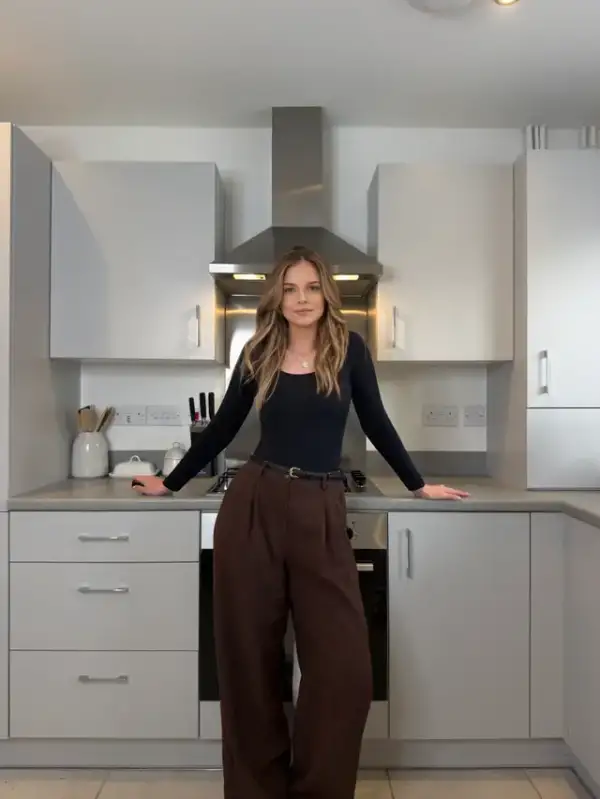
Photo: SWNS
How she built her savings
Phillips began saving during the COVID pandemic, when her annual salary was £22,000. At the time, she lived with her parents and contributed £150 a month towards rent.
Those relatively low housing costs gave her room to save. She also reduced discretionary spending and used a Lifetime ISA to help build her deposit.
By June 2023, she had saved £6,625 for the purchase, alongside another £3,500 for furniture and solicitor’s fees.
Although the account does not describe her receiving a deposit gift from her parents, living with them at a low cost played an important role in her progress.
What she paid each month
Phillips reported monthly mortgage payments of £305, plus £576 in rent for the housing association’s remaining 75% share. Together, those payments came to £881 a month, before any other housing costs.
These were the figures reported in her story, rather than a current quote or a guide to what another buyer would pay.
Shared ownership buyers also need to consider expenses beyond their mortgage and rent. Depending on the property, these can include service charges, insurance, and other fees. Repair responsibilities also apply, although some homes have provisions covering certain repairs for an initial period.
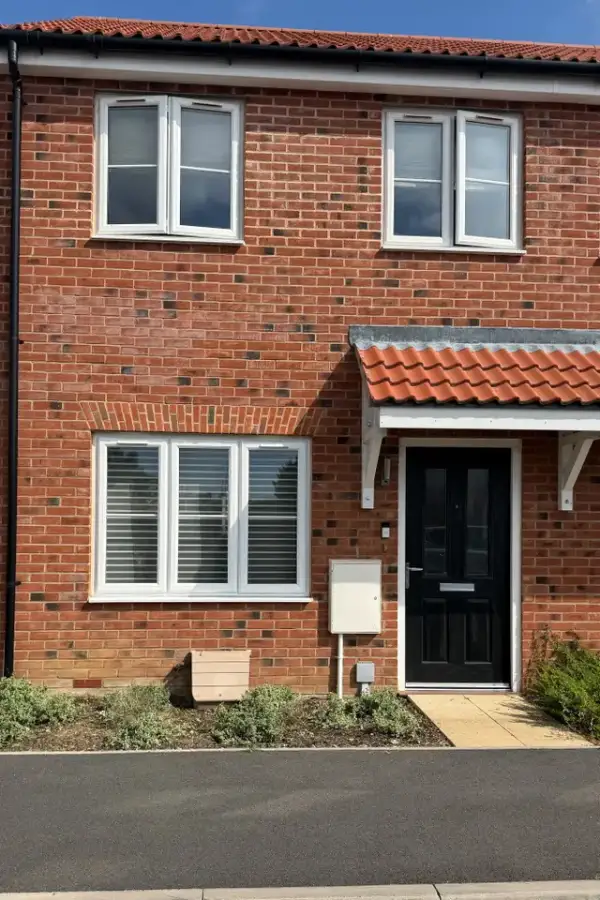
Photo: SWNS
Her plans for the future
Phillips said she hoped that, after five years, she would have enough savings to either increase her ownership stake or sell and buy a home on the open market.
Buying additional shares is known as “staircasing”. It reduces the proportion of the property on which rent is payable. Most shared ownership homes allow buyers eventually to reach 100% ownership, although some have restrictions. The cost of additional shares generally depends on the property’s value when they are purchased.
For Phillips, the arrangement meant moving into a home of her own sooner than she thought possible. She estimated that buying without shared ownership would have meant another three or four years of saving.
Her experience shows how a smaller initial ownership stake can make a purchase more accessible on a single salary. It also highlights the importance of the circumstances behind the headline: affordable accommodation while saving, a separate budget for purchase costs, and ongoing payments that include both a mortgage and rent.

