
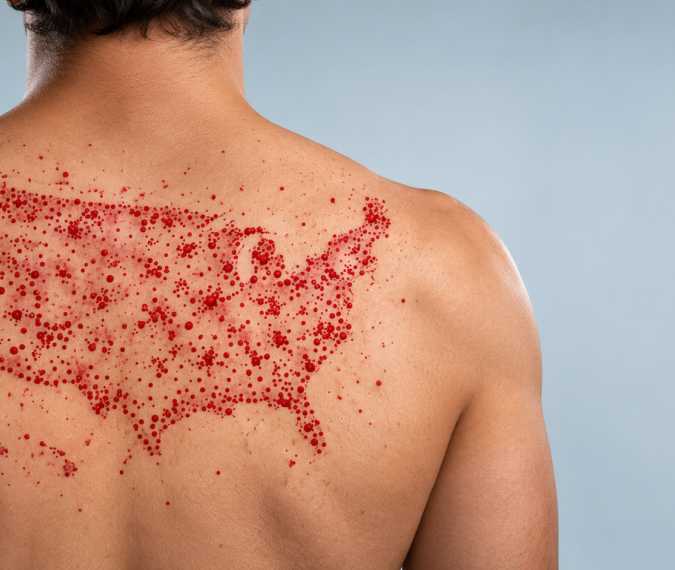
US Loses Measles Elimination Status After 26 Years
More than a quarter-century after the United States achieved measles elimination, sustained transmission has undone that milestone, according to KFF Health News. Researchers familiar with an international review told the outlet that the Pan American Health Organization had determined the country no longer met the requirements for elimination status. A public announcement was planned for November 17, 2026.
The designation, first achieved in 2000, did not mean measles could never enter the United States. It meant the country had interrupted ongoing domestic transmission. Losing that status signals that the virus has circulated continuously for at least 12 months.
CDC figures show the scale of the resurgence: 5,412 confirmed cases were reported from 2026 through November 12, along with 43 newly reported outbreaks. Those preliminary totals may change as additional reports arrive.
Declining vaccination coverage has made it easier for outbreaks to take hold. According to the CDC, MMR coverage among kindergartners fell from 95.2% in the 2019–2020 school year to 92.4% in 2025–2026. National averages also conceal communities where protection is substantially lower.
Vaccination remains central to preventing infections. Two doses of the measles, mumps and rubella vaccine are approximately 97% effective against measles. Widespread immunity also reduces opportunities for the virus to spread, helping protect people who remain vulnerable.
Countries can reverse the loss of elimination status. Canada lost its designation in November 2025 following prolonged transmission. Brazil, meanwhile, regained recognition in 2024 after losing it in 2019 and subsequently interrupting endemic spread.
For the United States, rebuilding that achievement will require sustained vaccination efforts, reliable disease surveillance and rapid responses to outbreaks. Brazil’s experience shows that recovery is possible—but it depends on stopping transmission and documenting that progress.