
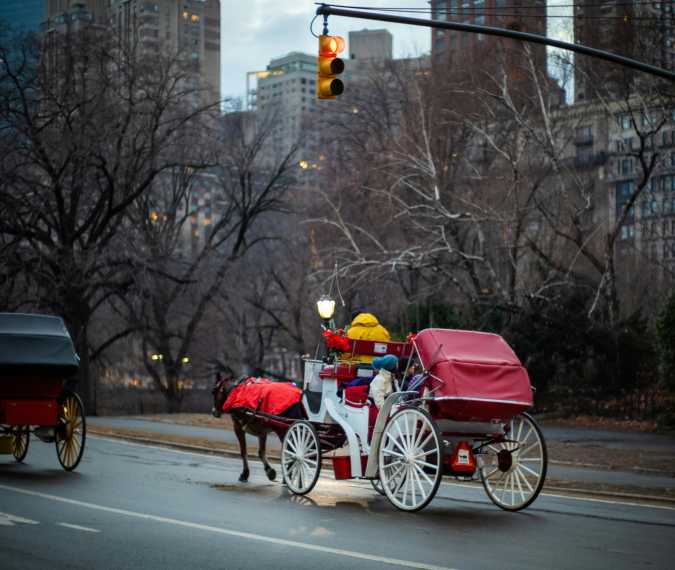
New York bans horse-drawn carriages after 160 years over safety and abuse concerns
New York City’s horse-drawn carriage industry faces closure after the City Council approved legislation to end operations in June 2028. The October 22 vote marks a major turning point for a tourist attraction that has been part of the city for more than 160 years. Mayor Zohran Mamdani supports the measure.
Supporters see the decision as a necessary response to concerns about public safety and animal welfare. For carriage drivers, however, it raises difficult questions about their livelihoods and the future care of their horses.
A Fatal Accident Strengthened Calls for Change
The legislation, known as Romanch’s Law, is named after Romanch Mahajan, an 18-year-old visitor from India who died in June after falling from a carriage when its horse bolted. His death intensified pressure on city officials to end the industry following years of unsuccessful efforts.
According to the BBC report, Mahajan’s family attended the council hearing where the bill passed. Council Speaker Julie Menin said the measure was intended to prevent further loss of life.
Animal welfare concerns have also shaped the debate. The Manhattan Borough President’s office says 40 horses working in Central Park have died since 1982, citing causes including overheating and collisions. Another carriage horse, Deniz, died this year after eating a toxic plant in the park.
The Central Park Conservancy, which manages the park and supports the ban, reported seven horse-related incidents over a 13-month period. Those included a carriage overturning and a horse running into traffic.
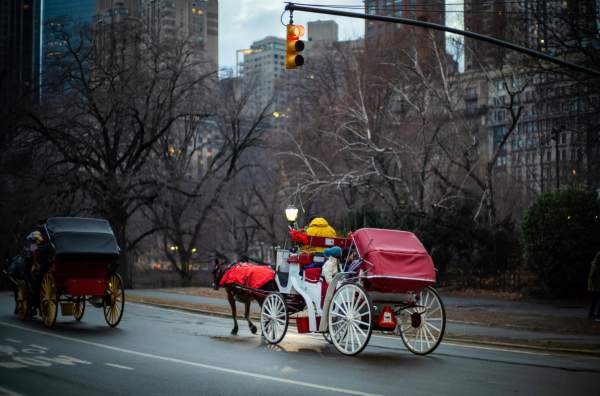
Photo: unsplash.com
Drivers Reject Allegations of Mistreatment
Drivers interviewed by the BBC challenged the suggestion that their horses were poorly treated. They described close relationships with the animals and argued that properly managed carriage work could provide useful activity and stimulation.
Alexus Lawson, who has driven carriages for six years, said losing her income would make caring for her horses more difficult. The 28-year-old owns six horses and questioned how officials expected owners to support them once their businesses closed.
Veteran driver Medet Fidan also rejected allegations of abuse. He said the decision threatened his family’s livelihood and argued that officials had not adequately listened to people working in the industry.
The council held a public hearing in July at which drivers and other community members were invited to speak.
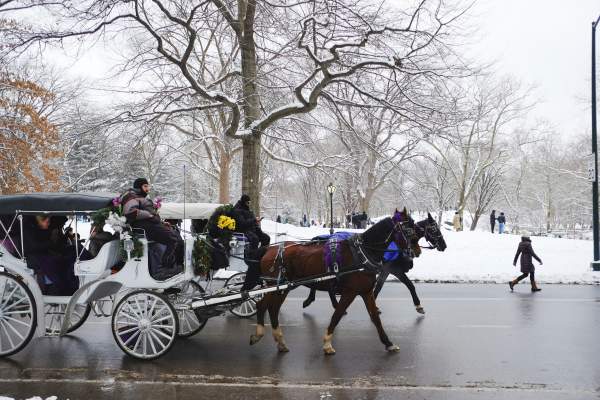
Photo: unsplash.com
Support for Workers and Horses Remains a Central Issue
The legislation calls for a transition framework that could include job placement, training, career counseling and financial compensation. Mamdani’s office has said it is involved in planning support for affected workers.
But the Transport Workers Union argues that the proposals lack firm guarantees, particularly over compensation. It has also raised concerns about how the horses’ long-term care will be funded.
The bill prohibits transferring horses for slaughter or for work in another horse-drawn carriage business. According to Menin, owners would be permitted to keep their animals.
As the phaseout approaches, the city faces a practical challenge: turning its commitments to workers and horses into arrangements that provide lasting support.
Based on the supplied BBC report, with the council vote and phaseout timing independently checked.

