State Department Warns of Iranian Threats to Airports, US Interests
Americans traveling through the Middle East have been urged to prepare for possible flight disruptions and remain alert as regional hostilities threaten civilian airports and other infrastructure.
In an October 8 advisory, the State Department’s Bureau of Consular Affairs warned that changing security conditions could lead to canceled flights, airspace closures, and interrupted journeys. Travelers entering or leaving the region were advised to check operational updates directly with airports and airlines.
The department also warned of potential threats beyond the region, saying Iran and groups aligned with it could target American interests overseas, including businesses, institutions and places associated with U.S. citizens.
Riyadh airport subject to additional precautions
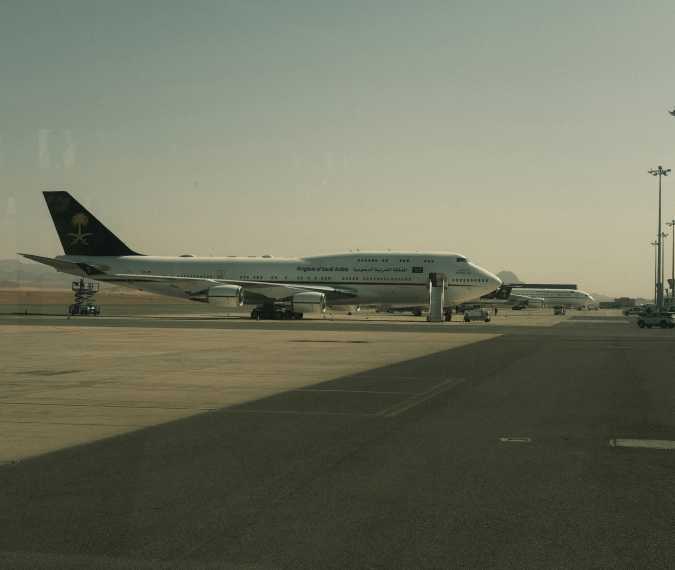
The U.S. Mission in Saudi Arabia said it was aware of attacks on King Khalid International Airport in Riyadh as of October 8. Its alert urged Americans to check departure information before traveling and follow announcements from Saudi Arabia’s Civil Defense. Officials warned that Houthi attacks involving civilian airports could be followed by further escalation.
Under the mission's restrictions, U.S. government employees based in Saudi Arabia require special authorization to use Riyadh airport. They are prohibited from traveling within 20 miles of the Yemen border. They must obtain approval to visit Jizan, Asir and Najran provinces, as well as the cities of Qatif, Yanbu and Taif. The mission also advised American citizens to avoid travel near the Yemen border.
Advice for Americans in the region
The mission’s guidance encourages Americans to keep a low profile, avoid demonstrations and large gatherings, and stay away from areas with a substantial police presence. Travelers should follow local authorities’ instructions and monitor official announcements as conditions develop.
During an aerial attack, people should remain away from windows, glass doors, and fallen debris while checking official instructions. Keeping phones charged and emergency numbers readily available can help travelers stay informed and seek assistance.
Anyone whose flight is affected should contact the airline directly to discuss schedule changes and available options.
Receiving updates and requesting help
Americans abroad can register with the Smart Traveler Enrollment Program to receive security notices from their nearest U.S. embassy or consulate. The State Department's website also provides country-specific travel information.
For consular assistance, Americans can call +1 202-501-4444 from overseas or 1-888-407-4747 from the United States and Canada. Those in the region should continue checking guidance from the U.S. diplomatic mission responsible for their location.