
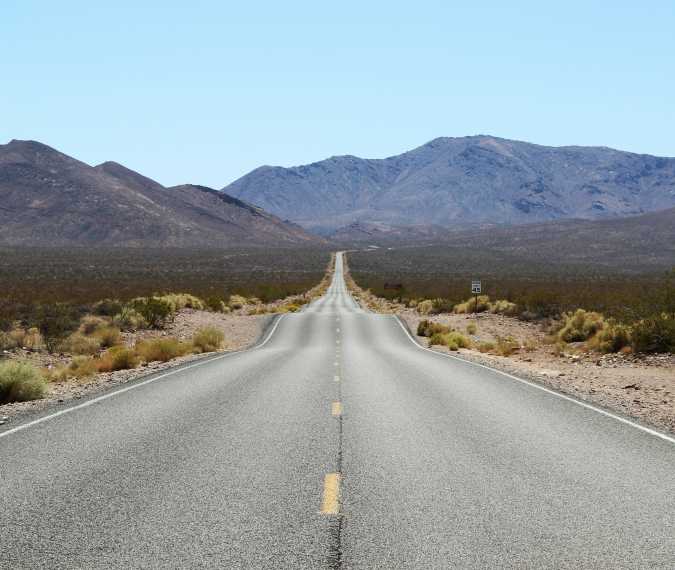
Terrifying reality if a driver breaks down on Death Valley road in America where 68 people have died
A vehicle problem in Death Valley can leave travelers facing much more than a delayed journey. Extreme heat, long distances and unreliable phone reception make preparation essential—and can turn the decision to walk for help into a dangerous mistake.
The National Park Service warns that summer temperatures can reach 54°C (130°F), with nights sometimes remaining around 32°C (90°F). These conditions leave little relief for anyone stranded without adequate water or protection from the heat.
Death Valley also holds the officially recognized world air-temperature record: 56.7°C (134°F), measured at Furnace Creek on 10 July 1913, according to the World Meteorological Organization. That historic extreme should not be confused with an everyday or year-round temperature.

For drivers, isolation adds to the challenge. Mobile reception is absent across much of the park, and help may be seriously delayed on backcountry routes. Many backcountry junctions are unmarked, making a reliable map an important part of any trip.
If your vehicle breaks down, the National Park Service advises you to stay with it. On a main road, another motorist is likely to arrive sooner than you could reach help on foot. Raising the bonnet can signal that you need assistance. In an emergency, call 911 if you have reception.
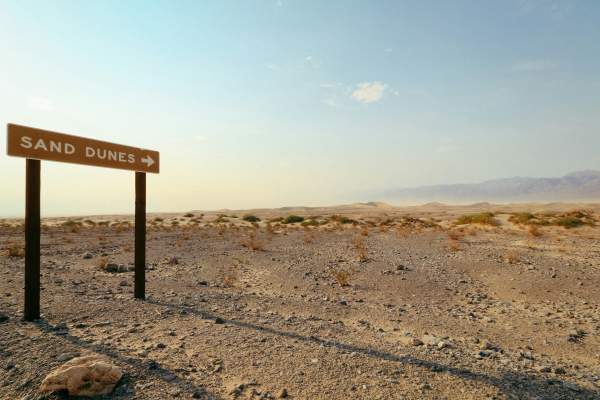
Don't treat a desert crossing as an easy escape. The park advises against hiking at low elevations in hot conditions. For remote trips, it also recommends carrying a satellite communication device and sharing your route and expected return time with a reliable contact.
Preparation begins before entering the park. Carry at least one US gallon—about 3.8 liters—of water per person per day in hot weather, plus an emergency reserve. Pack food, basic tools, a shovel and suitable tire-repair equipment, and fill your fuel tank before heading into remote areas. Backcountry travelers should carry two full-size spare tires and should never rely on natural water sources being available or safe.
Check the weather and official road conditions before setting out, too. Heat is only one concern: flash floods and changing weather can also threaten visitors. Abandoned mines are unsafe places to seek shelter because they may contain unstable structures, concealed shafts and dangerous air.
A Death Valley road trip requires planning for the possibility that assistance will take time. Carrying supplies, choosing an appropriate route, and knowing what to do if the car stops are essential parts of that preparation.