
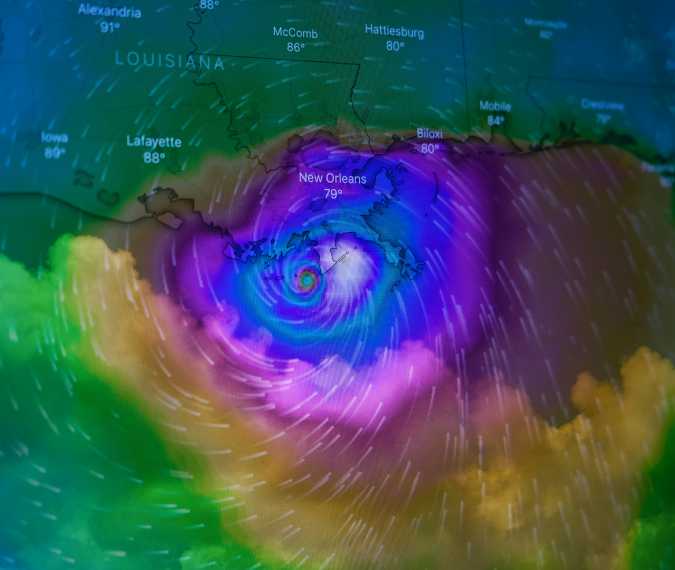
The Atlantic Ocean just broke a 60-year record for the longest stretch without a hurricane.
By September 15, 2026, the Atlantic hurricane season had reached an extraordinary milestone: no hurricanes had formed. That made it the latest start to hurricane activity in the satellite-era record dating back to 1966. Five named tropical storms had developed, but none had strengthened into a hurricane.
For anyone planning a Caribbean holiday or an Atlantic coastal getaway, the quiet conditions may sound reassuring. However, a slow season does not guarantee that a particular destination will avoid severe weather.
An unusual pause during the busiest months
The Atlantic season officially runs from June 1 through November 30. Activity typically peaks around September 10, with most storms occurring between mid-August and mid-October. Reaching mid-September without a hurricane is therefore particularly unusual.
The distinction between a tropical storm and a hurricane comes down to sustained wind speed. A tropical storm reaches naming strength at 39 mph, while hurricane strength begins at 74 mph. Through September 15, Arthur, Bertha, Cristobal, Dolly and Edouard had remained below that hurricane threshold.
How the Pacific is influencing Atlantic weather
One major explanation lies thousands of miles away: El Niño.
This climate pattern involves unusually warm surface waters in the central and eastern equatorial Pacific. Its effects extend beyond that ocean, changing atmospheric circulation in ways that can hinder Atlantic hurricanes.
A key factor is vertical wind shear—the change in wind speed or direction with height. Strong shear disrupts the organization a developing cyclone needs to strengthen. NOAA identified increased Atlantic wind shear associated with El Niño as a major influence on its 2026 forecast.
The explanation is more complicated than simply saying the Atlantic has become colder. NOAA’s August outlook described above-average water temperatures across the main hurricane development region, but relatively modest warmth compared with the wider tropics. Warm water alone cannot overcome every unfavorable atmospheric condition.
What forecasters expected
NOAA’s updated outlook, issued August 6, assigned a 75% chance of a below-normal Atlantic season. It projected seven to 13 named storms, including two to six hurricanes and up to two major hurricanes.
Those figures cover the entire season, including storms that had already formed. They describe expected activity across the basin, not which destinations might experience a landfall.
What this means for your trip
The quiet start is encouraging, but it should not replace checking conditions for your destination. NOAA emphasizes that even a season with little overall activity can produce a damaging hurricane or tropical storm.
If you are traveling during hurricane season, watch National Hurricane Center updates and local weather alerts before departure and throughout your stay. Let the forecast for your travel dates guide your plans.