
The UK is launching a new passport
British travellers are about to see another update to their passports. It hasn’t been long since the burgundy design disappeared in favour of the post-Brexit navy version, but a new round of changes is arriving soon.
The UK typically refreshes its passport design every 5 years, and the next iteration is due to debut in December. While the blue cover is sticking around, the passports' look and security are being upgraded.
Below is a breakdown of what globetrotters can expect from the UK’s latest passport design.
What’s Changing in the New UK Passport?
The redesign focuses largely on the interior pages, which are getting a visual overhaul along with stronger anti-forgery technology.
Gone are the geometric patterns introduced in 2020. In their place are soft, watermark-style illustrations depicting well-known landscapes from across the four UK nations. All featured sites are UNESCO-recognised:
Giant’s Causeway in Northern Ireland
Ben Nevis representing Scotland
Lake Windermere from England’s Lake District
Three Cliffs Bay on the Welsh coast
The pages containing personal details and photos will include additional translucent and holographic elements that reveal shapes when the passport is moved, offering enhanced protection against counterfeiting.
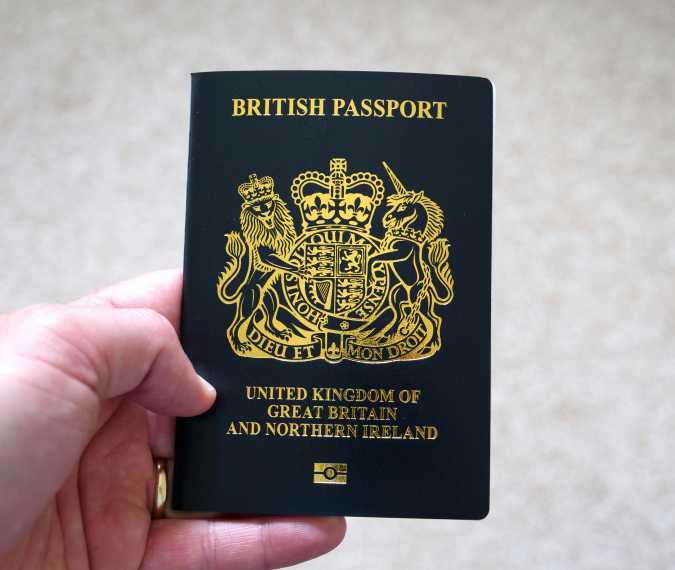
The front cover also features a subtle but symbolic update: the royal coat of arms now reflects King Charles III’s version rather than the late Queen's. The differences are slight — a smaller lion and unicorn, and a more rounded crown — but it marks the first UK passport issued under the new monarch.
Migration and Citizenship Minister Mike Tapp described the redesign as both a nod to British heritage and a step forward in public service, emphasising the aim to keep UK passports among the world’s most secure.
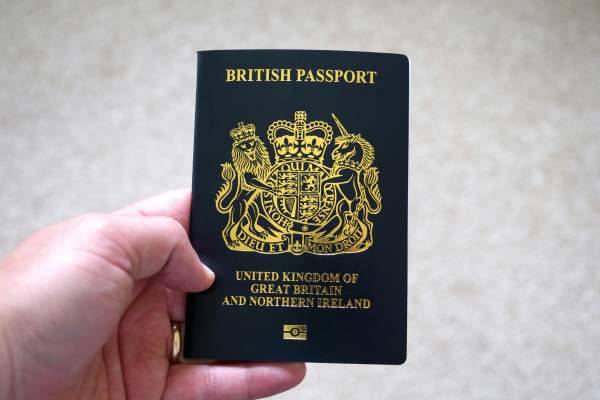
Photo: unsplash.com/@ethanrwilkinson
When Will Travellers Start Receiving the New Passport?
According to the Home Office, the refreshed passports will start being issued from December. Anyone applying after the rollout begins should automatically receive the updated version.
There’s no need to rush for a replacement, though — existing passports will remain valid until their expiry dates.
Processing times remain unchanged, with standard applications typically taking around three weeks.

