
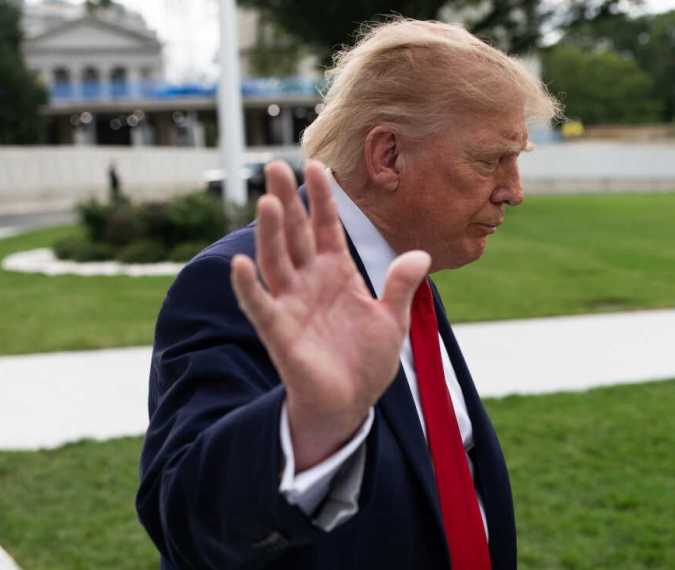
Trump suggests Iran could ‘take out’ Los Angeles or San Diego in bizarre new rant
Comments about Los Angeles and San Diego prompted sharp criticism, while the White House said the president was explaining the danger his administration sought to prevent.
President Donald Trump sparked controversy during an October 5 rally in Grand Island, Nebraska, after mentioning possible Iranian attacks on Los Angeles and San Diego while defending the costs of the war.
Discussing the conflict’s economic impact, Trump argued that Americans were paying a relatively modest price for greater security. He then referred to Iran’s potential to destroy a city and named the two California communities, drawing condemnation from state and local officials.
California Governor Gavin Newsom described the remarks as “deranged and dangerous.” He linked his criticism to the administration’s earlier deployment of National Guard troops and Marines to California, accusing Trump of suggesting that foreign enemies should attack American cities.
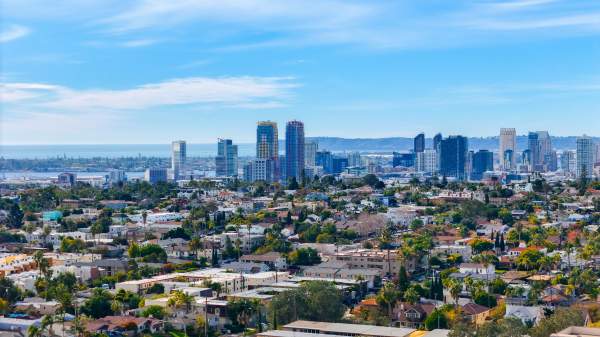
Los Angeles Mayor Karen Bass also challenged the president’s language. She said his responsibility was to safeguard Americans and warned that statements encouraging attacks could put residents’ safety at risk.
San Diego Mayor Todd Gloria rejected any suggestion that his community could be treated as an acceptable wartime loss. He urged Trump to stop including the city in what he described as reckless discussion of the conflict.
The White House disputed that interpretation. Communications director Steven Cheung said Trump had been describing the threat that a nuclear-armed Iran could pose, rather than endorsing attacks on American communities.
Criticism also came from Republican congressional candidate and Navy veteran Jim Desmond, who said American cities and families should never be considered expendable.
During the same speech, Trump predicted that the war would end soon, but the remarks quoted in reports offered no specific timetable or explanation of how that would happen.
The dispute comes as the administration faces questions about the conflict’s economic consequences ahead of the November midterm elections. California officials and the White House remain sharply divided over what the president’s comments mean.