
UK Sees Record-Breaking May Heat as Temperatures Surge Across the Country
The UK experienced an extraordinary spell of warm weather over the weekend, with parts of the country recording the highest temperatures seen so far in 2026 and some areas officially entering heatwave conditions.
On Sunday, temperatures climbed to remarkable levels, making it the hottest May day Britain has experienced in nearly eight decades. In west London, Kew Gardens recorded a peak of 32.3 °C, while Cardiff reached 27.4 °C and Armagh reached 23.4 °C. Scotland also came close to setting a new early-May benchmark, with Edinburgh reaching 23.5 °C — just shy of the existing record.
Meteorologists confirmed that Santon Downham in Suffolk became the first location to officially meet heatwave criteria after exceeding 27 °C for three consecutive days. Several other areas followed, including Heathrow, Kew Gardens, and Northolt in London, as well as locations in Oxfordshire, Suffolk, and Essex.
Forecasters warned the heat could intensify further, with temperatures potentially reaching 34C in some regions.
Experts say climate change is increasing the likelihood of extreme heat. Similar weather patterns have affected much of western Europe, with authorities in France warning that periods of exceptional heat are becoming increasingly common, arriving earlier in the year and intensifying.
The UK’s weather agency noted that temperatures breaking historical May records are now significantly more likely than they were before industrial-era climate change. Events once considered extremely rare are becoming increasingly common under current climate conditions.
Heatwave classifications vary across Britain. London and nearby counties require three consecutive days at or above 28 °C, while thresholds vary by region.
Saturday had already marked a milestone by becoming the first day this year to surpass 30 °C — reportedly the earliest point in the calendar to do so since the early 1950s.
The sunny weather drew crowds to beaches and parks nationwide. Sporting events also adjusted to the heat. At Lord’s cricket ground, traditional dress expectations were eased, while football matches introduced drinks breaks to help players cope with high temperatures.
The warm conditions also placed pressure on local infrastructure. Residents in several villages near Ashford, Kent, experienced ongoing water supply disruptions due to technical issues at pumping stations, resulting in shortages and low water pressure.
Health officials issued amber heat warnings covering multiple parts of England, including London and the Midlands. Authorities warned that older adults and individuals with respiratory or cardiovascular conditions could face increased health risks during the hot spell.
Safety organizations also urged people to be cautious around lakes, rivers, and other inland waters. Data from recent years shows that many accidental drowning incidents occur in inland locations, often involving people who had not planned to enter the water.
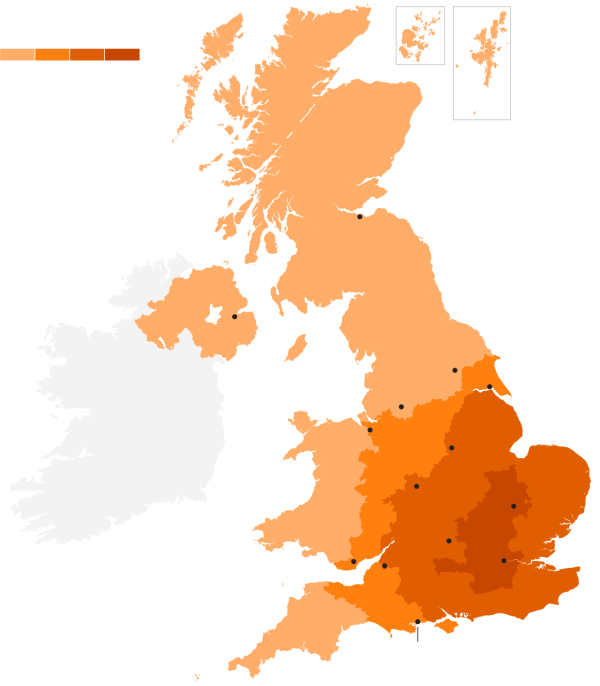
Source: Met Office
Water safety experts advised anyone entering open water to do so gradually to reduce the effects of cold-water shock and encouraged people in distress to adopt the “float to live” approach — lying on their back and remaining calm until breathing stabilizes.
Tragically, emergency services in Lincoln later recovered the body of a 15-year-old boy after reports he had encountered difficulties while swimming in a lake.
The incident served as a stark reminder that while soaring temperatures encourage outdoor activities, safety precautions remain especially important during periods of extreme heat.