
Airlines Keeping Prices Stable Despite Rising Fuel Costs
As tensions in the Middle East continue to impact global energy markets, the cost of jet fuel has surged—leaving many UK travelers wondering how this could affect their summer holiday plans.
With the peak travel season fast approaching, families across Britain would normally be finalizing bookings or counting down to departures. This year, however, uncertainty around the ongoing conflict has created concern about flight availability and rising travel costs.
A major factor behind this disruption is the closure of the Strait of Hormuz, a key shipping route that carries nearly 20% of the world’s oil supply. The situation has driven fuel prices sharply upward, placing significant pressure on airlines worldwide. In response, some carriers have already reduced or canceled flights to manage potential shortages.
Although UK airlines have not yet made widespread cancellations due to fuel costs, several have acknowledged that continued instability could force changes. There have also been warnings that ticket prices may need to rise if fuel expenses remain high.
For travelers—especially those planning trips during the busy school holiday period—this adds another layer of concern, as holiday costs are already at a premium. To help clarify the situation, here’s how some major airlines are currently handling pricing.
Jet2
Jet2 has reassured customers that there will be no additional charges added to bookings to offset rising fuel costs. In an update released on April 24, the airline confirmed that the price paid at the time of booking will remain unchanged.
This policy applies across all booking methods, including online, via the mobile app, through contact centers, or with travel agents. The only exception noted is local tourist taxes, which are typically paid at the destination.
CEO Steve Heapy emphasized that travelers should feel confident when booking, knowing there won’t be unexpected costs later. The company believes this approach provides peace of mind during a period of uncertainty.
easyJet
Following closely behind, easyJet and its holiday division confirmed on April 25 that they will also avoid introducing fuel surcharges.
The airline’s commitment covers both existing bookings and new holiday packages for the upcoming summer season. This move aims to give customers confidence and clarity when planning trips.
According to Garry Wilson, the company understands that travelers may feel uncertain due to global events and wants to ensure there are no surprise costs added later. He also noted that operations are continuing as normal, meaning holidays should proceed as planned.
TUI
TUI has taken a similar stance, confirming on April 26 that it will not introduce any additional fuel-related fees.
The company has stated that all holiday prices are fixed, covering both already booked trips and new reservations for the summer months.
Managing Director Neil Swanson highlighted that customers value both transparency and reassurance when booking travel. TUI’s pricing policy is designed to provide exactly that.
Ryanair
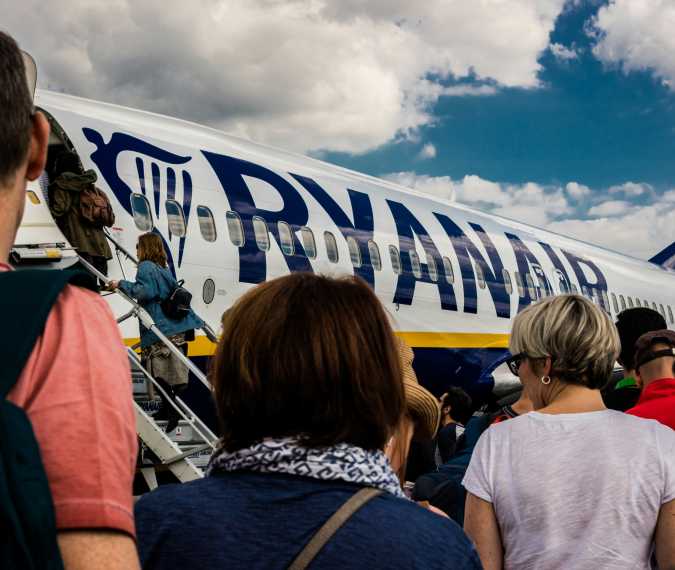
Ryanair has not yet made a definitive announcement regarding fuel surcharges. However, earlier in the month, the airline indicated that fares were likely to rise.
A spokesperson warned that, with jet fuel prices having risen significantly, airlines may eventually pass these costs on to passengers through higher ticket prices later in the year.
For now, the airline suggests that booking sooner rather than later could help travelers secure lower prices before any potential increases take effect.
What This Means for Travelers
While the global situation remains unpredictable, several major airlines are currently holding prices steady to support customer confidence. For travelers planning a summer getaway, this offers some reassurance—at least for now.
That said, with fuel costs still fluctuating, booking early may be the safest way to avoid potential price rises as the season progresses.