Ebola outbreak death toll rises to record high as experts issue 'severe' warning
The Democratic Republic of the Congo’s Ebola outbreak has passed a grim milestone, with reported deaths exceeding 5,000 and health teams facing continued difficulties detecting infections and interrupting transmission.
Health ministry figures reported on 31 October 2026 recorded 5,026 deaths among 10,351 infections. That represents a reported case fatality ratio of approximately 48.6%. Authorities also recorded 2,788 recoveries. These figures describe the outbreak at that reporting point and may change as further cases are identified.
The outbreak, declared in May and caused by Bundibugyo virus, is the second deadliest Ebola outbreak on record, behind the 2014–2016 epidemic in West Africa.
A major obstacle is identifying people who may have been exposed before they become infected. According to the Africa Centers for Disease Control and Prevention, approximately 80% of new cases have emerged outside monitored contact networks. This suggests that substantial transmission is escaping existing surveillance.
The disease has reached 67 health zones across eight provinces, with active cases reported in 50 of those zones. The expanding geographic reach places additional demands on testing, patient care and contact tracing.
WHO has described a response complicated by armed conflict, population displacement and limited access to essential services. These conditions make it harder for health workers to reach affected communities and for patients to receive timely care. Early illness can also resemble other infections, including malaria, making laboratory testing particularly important.
No approved vaccine or specific treatment exists for disease caused by the Bundibugyo virus. However, supportive care remains important, and researchers are investigating potential treatments and vaccines. Vaccines developed for other Ebola viruses should not be assumed to provide proven protection against Bundibugyo.
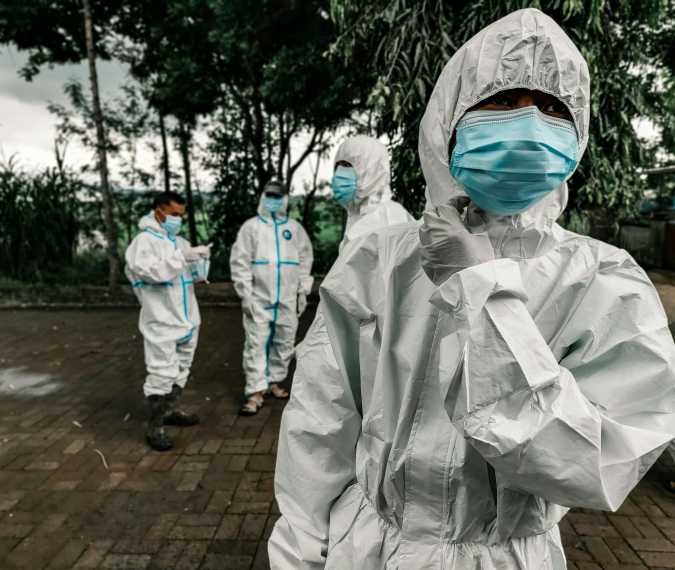
Containing the outbreak depends on several measures working together: prompt diagnosis, isolation and care, reliable contact tracing, safe burials and cooperation with affected communities. WHO stresses that early recognition and effective supportive care can reduce deaths, while stronger surveillance is essential to limiting further spread.