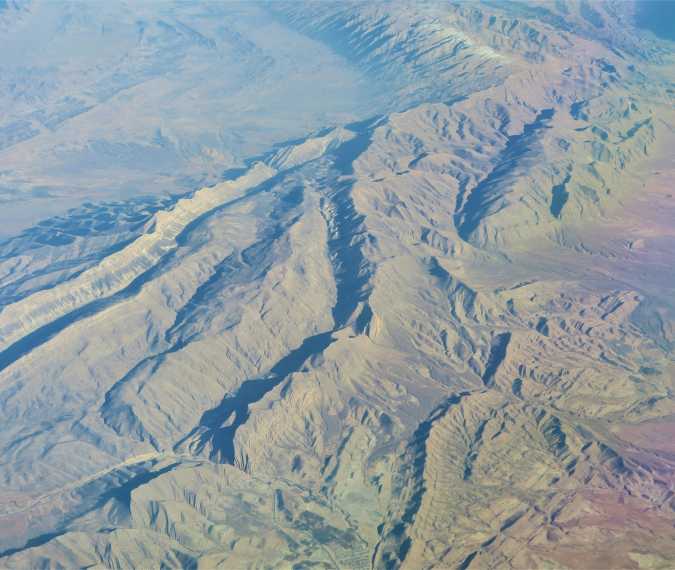
Three earthquakes strike California overnight along the San Andreas Fault
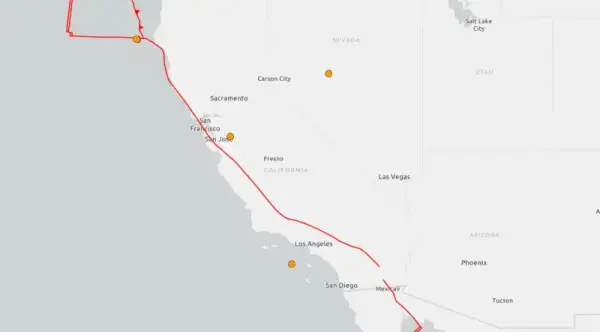
Three small earthquakes were reported in separate parts of California between Saturday evening and early Sunday, with initial magnitudes ranging from 2.5 to 2.7.
Listings based on U.S. Geological Survey data placed a magnitude 2.7 earthquake about 66 kilometers west of Petrolia at approximately 4:31 a.m. Pacific time on Sunday, November 1. About eight minutes later, a magnitude 2.6 event was recorded roughly seven kilometers south-southwest of Santa Barbara Island. A magnitude 2.5 earthquake was also listed west-southwest of Westley on Saturday evening. These are preliminary measurements, which may change as seismic data are reviewed.
Although the original report linked the events to the San Andreas Fault, the available listings do not establish that all three originated on that fault.
The earthquakes come amid continuing research into California’s long-term seismic hazards. Research reported in August by San Jose State University scientists suggested that movement along the Santa Cruz Mountains section of the San Andreas Fault was faster than earlier estimates indicated.
At Sanborn County Park, researchers studied landforms shaped by past earthquakes to reconstruct the fault’s movement. Their findings suggested a relatively consistent average slip rate over about 10,000 years. This describes a long-term geological pattern, rather than evidence that the fault has suddenly accelerated.
A separate study published in June examined stress accumulation along the southern San Andreas and San Jacinto fault systems. Using simulations informed by a millennium of earthquake history, researchers found that some sections had reached or exceeded the highest stress levels represented in that record.
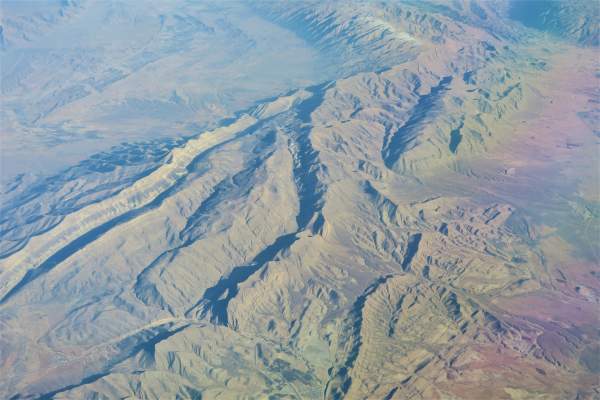
Photo: unsplash.com
Those findings help scientists understand earthquake hazards, but they cannot establish when the next major rupture will happen. The USGS emphasizes that scientists cannot predict the precise time, location, and magnitude of a future earthquake. Small tremors alone are also not reliable evidence that a much larger event is imminent.

