
Historic European cities to be connected by direct train for first time in 20 years
Train travel across Northern Europe is about to become much easier. For the first time in more than 20 years, passengers will soon be able to travel directly between Oslo and Berlin without changing trains, opening a new route linking some of Europe’s most historic and vibrant cities.
The international service is expected to begin operating in summer 2028 through a partnership between Norway’s railway company Vy, Denmark’s DSB, and Germany’s Deutsche Bahn. The new route aims to strengthen rail connections across Scandinavia and Central Europe while giving travelers a more seamless alternative to flying.
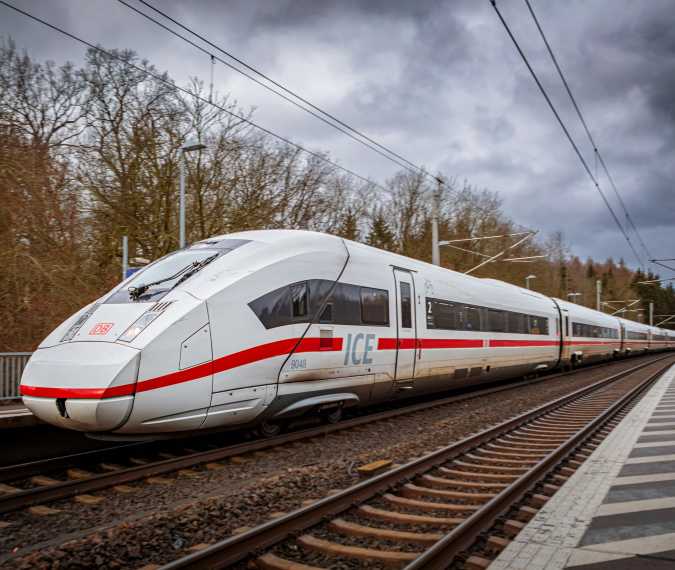
The journey will be operated using Deutsche Bahn’s ICE L trains, connecting the Norwegian and German capitals through a scenic route that passes several major cities. Along the way, passengers will travel through Hamburg, Copenhagen, Malmö, and Gothenburg, creating opportunities to experience multiple destinations in a single trip.
The train will also stop in several regional cities, including Moss, Fredrikstad, Sarpsborg, Halden, Trollhättan, Halmstad, Helsingborg, Lund, and Copenhagen Airport, before continuing south toward Germany. After leaving Denmark, the route carries on through Odense, Kolding, Padborg, and Hamburg before reaching Berlin.
Travel times are expected to make the route a practical long-distance option. According to Vy, the trip from Oslo to Copenhagen should take roughly seven hours, while the complete journey to Berlin is estimated at around 15 hours.
Passengers can also expect onboard features designed for comfort, including a restaurant carriage and dedicated family-friendly sections.
The route represents a significant return for rail travel in the region. Norwegian travelers have not had access to a direct train connection to Copenhagen for over two decades, making the launch an important milestone for cross-border transport.
Current plans indicate that two round-trip per day will operate once the service begins. Ticket prices and exact departure schedules are expected to be announced closer to the launch date.
Vy CEO Gro Bakstad highlighted the broader impact of the project, explaining that stronger cooperation between European rail operators could help bring Norway closer to the rest of the continent and potentially create more direct international train services in the future.
Deutsche Bahn also sees the route as part of a larger shift toward sustainable travel. With growing interest in alternatives to flights and long-distance driving, rail operators believe improved international train links can make exploring Europe more convenient and environmentally friendly.
For travelers dreaming of a slower journey through Northern Europe, this upcoming route could become one of the continent’s most exciting rail experiences.