London could be getting 600 new skyscrapers
London's skyline is on the verge of a monumental transformation. With the city's population projected to surpass 10 million by 2030, a new report indicates that nearly 600 tall buildings could be constructed across the capital. This dramatic change in the urban landscape highlights the growing demand for office and residential space and showcases the city's evolution over the past two decades.
According to New London Architecture (NLA), a thinktank focused on the capital's built environment, a staggering 583 skyscrapers are "queuing up in the pipeline." This figure represents a significant increase from the 270 tall buildings erected over the past decade. The NLA's 10th annual tall buildings report emphasizes the ongoing need for vertical expansion to accommodate the city's burgeoning population.
Peter Murray, co-founder of NLA, underscores the importance of tall buildings in shaping London's future. As the population continues to grow, reaching an estimated 10 million by the end of this decade, the demand for more office and residential space becomes increasingly urgent. Murray notes that the pipeline tracked by NLA ensures at least a decade's worth of construction projects, reflecting the continuous need for vertical expansion.
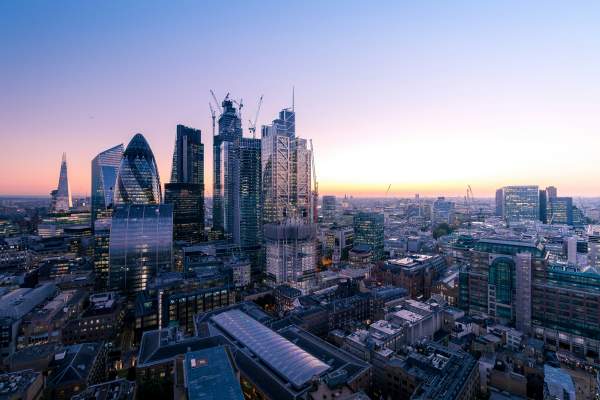
Photo: unsplash.com/judearubi
The report titled "London's Growing Up: A Decade Of Building Tall" provides a comprehensive overview of how tall buildings have reshaped London's skyline over the past 20 years. The surge in infrastructure is driven by the demand for office and residential space, coupled with substantial investment and supportive planning environments. This trend is set to continue, dramatically altering the city's appearance.
One of the key challenges in this vertical expansion is maintaining a balance between preserving London's historic charm and embracing modern architectural trends. Tall buildings, while essential for accommodating population growth, must also be designed with sensitivity to the city's heritage. This balance is crucial for ensuring that London's skyline remains both iconic and functional.
Investment plays a pivotal role in the development of tall buildings in London. Both domestic and international investors are drawn to the city's dynamic real estate market, seeing opportunities for substantial returns. This influx of capital has been instrumental in driving the construction boom and supporting the creation of new skyscrapers.
The environment of supportive planning policies has also been crucial in facilitating the construction of tall buildings. London's planning authorities have recognized the need for vertical growth and have implemented policies that streamline the approval process for new projects. This supportive stance has encouraged developers to pursue ambitious construction plans, further contributing to the city's transformation.
As London prepares for an influx of residents, managing population density becomes a critical concern. Tall buildings offer a practical solution by maximizing the use of available land. However, urban planners must also address the accompanying challenges, such as increased pressure on public services and infrastructure.
Sustainability is another key consideration in the construction of tall buildings. Developers are increasingly adopting green building practices to minimize the environmental impact of new structures. This includes the use of energy-efficient technologies, sustainable materials, and innovative designs that promote eco-friendly living.
Looking ahead to 2030, London's skyline will likely feature a blend of historic landmarks and modern skyscrapers. The continued construction of tall buildings will not only accommodate population growth but also enhance the city's global reputation as a hub of innovation and architectural excellence.