Major U.S. Airline Hit by Widespread Flight Disruptions
A leading American airline has faced significant operational challenges, canceling hundreds of flights and delaying over 1,000 more, resulting in a sharp drop in its reliability rankings.
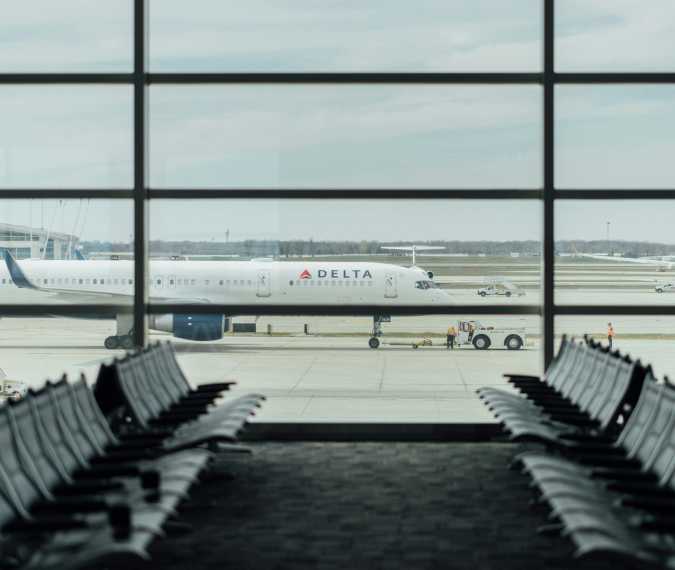
Delta Air Lines, which operates more than 5,000 flights daily, experienced major disruptions between Friday and Saturday. During that period, over 400 flights were canceled and more than 1,000 were delayed. According to FlightAware aviation tracking data, this accounted for roughly 4% of its schedule on Friday and increased to about 7% on Saturday.
The airline attributed the disruption to a combination of staffing shortages, unstable weather patterns, and concerns over jet fuel supply. Interestingly, these issues occurred even though much of the airline’s network reported generally clear weather conditions. Key hubs such as Hartsfield-Jackson Atlanta International Airport and Los Angeles International Airport were among the most affected.
As a result of operational turmoil, Delta’s performance ranking dropped to sixth nationwide, according to data from the U.S. Department of Transportation.
One of the most significant factors was a shortage of pilots at its primary hub in Atlanta. At Hartsfield-Jackson Atlanta International Airport, cancellations surged to more than ten times the usual level. This single location accounted for approximately 35% of all cancellations—nearly four times the figure recorded in 2024.
Meanwhile, the airline industry has also been shaken by Spirit Airlines' closure. The budget carrier, known for reshaping low-cost travel in the U.S., has ceased operations after 34 years in service. Its final flight departed from Detroit and arrived in Dallas without incident.
In a statement, CEO Dave Davis reflected on the airline’s legacy, highlighting its role in making air travel more affordable and accessible for millions of passengers.
Spirit’s shutdown follows two bankruptcy filings in recent years, which allowed the company to restructure its debt. In its final months, the airline attempted to stay afloat by cutting routes, negotiating concessions with unions, and exploring potential financial support—including discussions with the Trump administration.
However, rising jet fuel costs, partly driven by geopolitical tensions such as the Iran conflict, accelerated financial losses. Ultimately, the mounting pressure forced the airline to shut down operations.
“This is tremendously disappointing and not the outcome any of us wanted,” Davis said.