UAE airlines monitor Russian airspace after Ukraine's drone warning
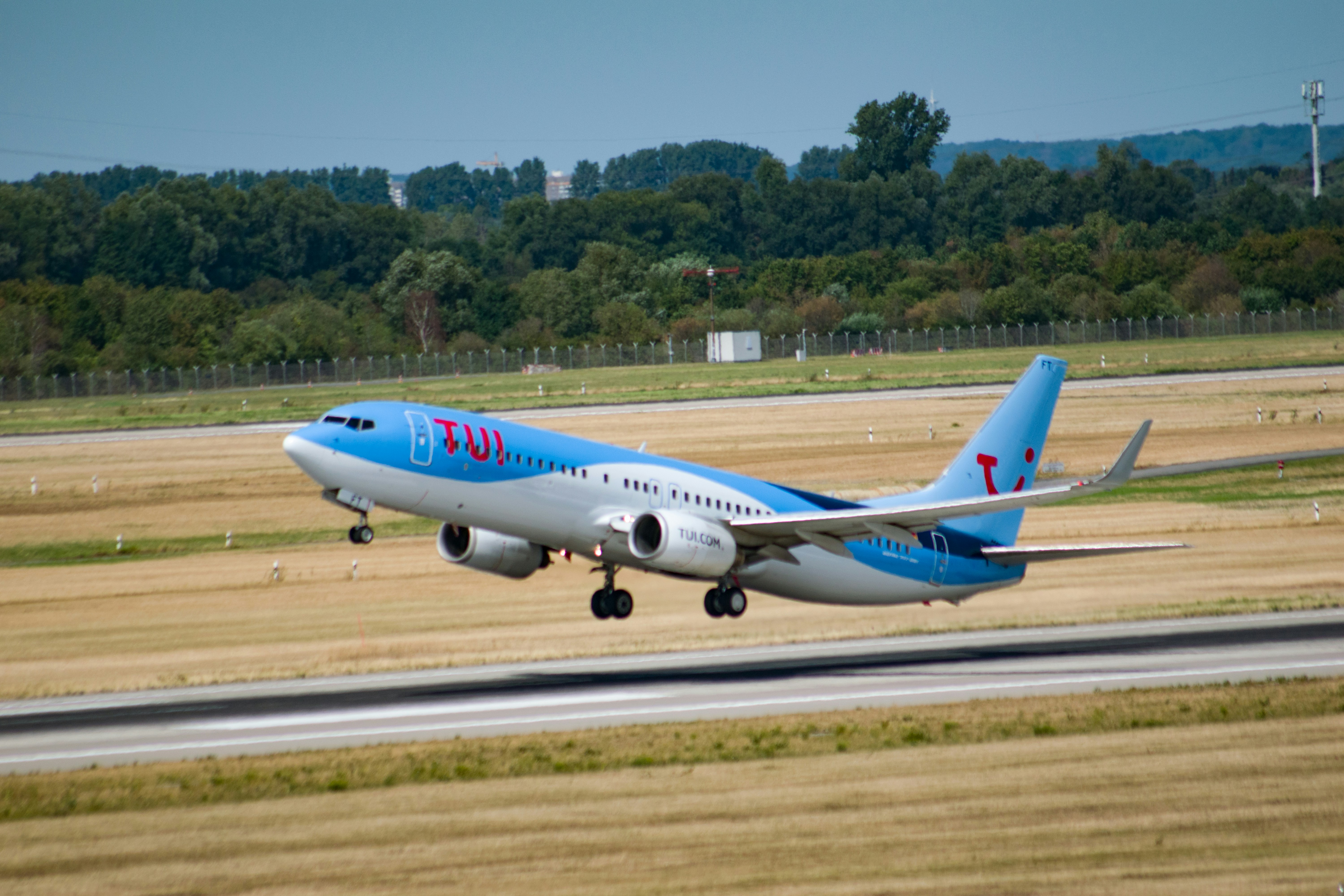
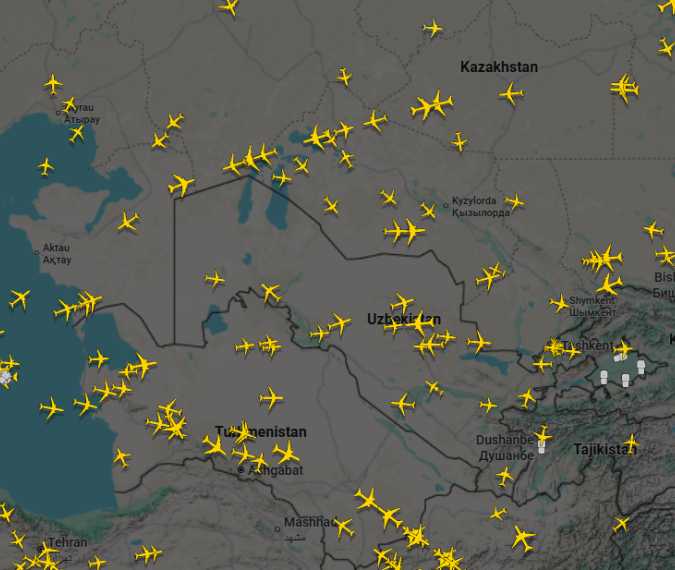
Airlines in the United Arab Emirates are closely monitoring developments in Russian airspace after Ukraine warned that increased drone activity over Russia could create additional aviation risks.
At present, the warning has not resulted in new restrictions for UAE carriers flying to Russia. However, the situation is particularly relevant to travelers in the Emirates because the UAE maintains extensive air connections with Russian cities.
Dubai is one of the region’s most important gateways for Russia-bound passengers. Emirates and flydubai operate services linking Dubai with destinations across Russia, while Russian flag carrier Aeroflot also connects Moscow and Dubai. Etihad Airways, based in Abu Dhabi, and Sharjah-based Air Arabia provide further connections between the UAE and Russian airports.
Why Has Ukraine Issued the Warning?
Ukrainian President Volodymyr Zelenskyy raised concerns on Tuesday about the increasing presence of Ukrainian drones over Russian territory, saying airlines and aviation insurers should consider the changing security environment when assessing operations involving Russian airspace and major Russian airports.
He described Russian airspace as becoming increasingly unsafe as drone operations expand.
At the same time, Zelenskyy stressed that Ukraine was not seeking to endanger civilian aircraft or their passengers. He said civilian aviation itself was not a Ukrainian target and emphasized that Ukraine did not want innocent people to lose their lives.
The comments come amid continuing escalation between Russia and Ukraine, with Russia saying it intends to step up attacks on Ukrainian energy infrastructure ahead of the winter period.
What Does This Mean for UAE Flights?
There is currently no indication of a widespread disruption to flights between the UAE and Russia.
flydubai said it continues to monitor developments and may change flight schedules or routes when operational conditions require.
According to the airline, its teams are continually reviewing the situation because circumstances in the region can change quickly. The carrier has also advised that passengers could encounter delays or diversions in some cases, while reiterating that passenger and crew safety remains its main priority.
Responses from Emirates, Etihad Airways and Air Arabia regarding the latest developments were still pending at the time of the original report.
Russia-UAE Air Links Remain Significant
Despite geopolitical tensions and periodic disruption in the wider region, air traffic between Russia and the UAE remains substantial.
Aeroflot resumed regular daily services to the UAE from June 1 and announced plans to raise frequencies to twice-daily operations beginning July 1.
The Russian airline had previously suspended UAE flights following US and Israeli attacks on Iran on February 28. During that interruption, some capacity originally allocated to UAE routes was temporarily shifted to other Asian destinations, including Thailand, China and Vietnam.
Have Any Flights Been Delayed?
Some Aeroflot departures from Dubai International Airport have already experienced significant delays.
Flight-tracking information referenced in the original report showed considerable delays affecting Aeroflot flight SU527 to Moscow Sheremetyevo and flight SU779 to Krasnodar.
However, there is currently no confirmed connection between those delays and Ukraine’s latest aviation warning or the increased level of drone activity over Russia.
For travelers, that distinction is important. Ukraine has stated that civilian aircraft are not targets, and there is no new general restriction preventing UAE airlines from operating services to Russia. Nevertheless, growing military drone activity could lead airlines to reassess routes, schedules and operational risks at short notice.
Passengers planning to travel between the UAE and Russia should therefore check their flight status directly with their airline before leaving for the airport, particularly while the security situation remains fluid.