
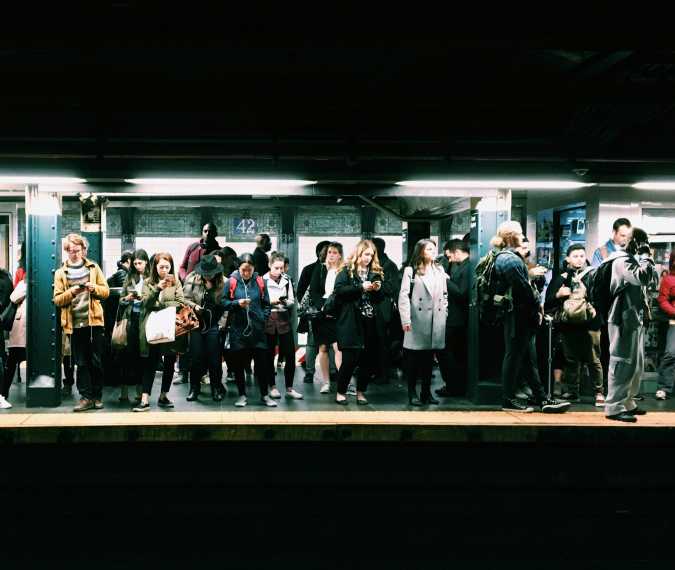
1 in 5 NYC transit riders say they can’t afford fares as MTA plans another hike
New York City’s debate over transit fares increasingly centers on who can afford to keep riding. With the Metropolitan Transportation Authority planning another fare adjustment in March 2027, new survey findings suggest many passengers already struggle to pay for everyday trips.
According to Community Service Society data reported by amNewYork, 20% of surveyed subway and bus riders said they could not afford fares when they needed to travel. The findings come from the organization’s annual Housing and Economic Security survey, conducted in August and September.
Discounted fares leave some struggling riders outside the program.
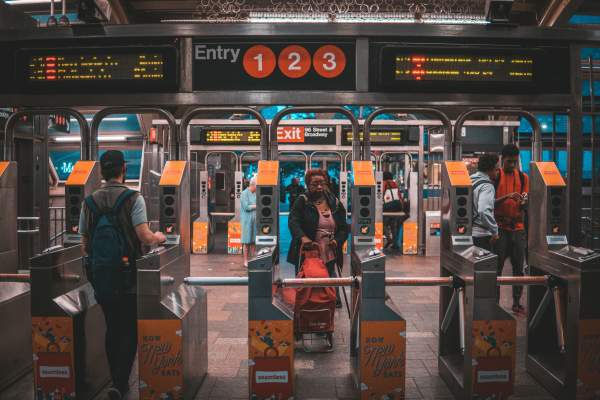
Photo: unsplash.com
The survey also points to a gap in assistance. Among riders who reported being unable to afford transit, 29% earned more than 200% of the federal poverty level—the income threshold for the city’s Fair Fares program.
Fair Fares provides eligible residents with half-price transit trips. But the findings suggest that financial pressure extends beyond the households currently covered. Community Service Society supports raising the eligibility ceiling to 300% of the federal poverty level and providing free transit to residents at or below 150%.
The next fare has not been settled.
The MTA’s financial planning assumes fare and toll changes in March 2027 that would increase combined revenue from those sources by 4%. That revenue target does not establish an identical increase for every fare.
Applying 4% directly to the current $3 subway and bus fare would produce $3.12, but that is an illustration, not an announced price. The final fare remains undetermined, and the planned increases still require approval.
Higher fares would not eliminate the budget problem.
The agency also faces a widening financial gap. In an October 22 report, State Comptroller Thomas DiNapoli projected an MTA shortfall of $897 million by 2030, even with anticipated fare and toll increases in 2027 and 2029 included in revenue estimates.
Photo: unsplash.com
The comptroller identified growing expenses for healthcare, pensions, debt service, energy and paratransit as major pressures. His office also urged the authority to expand savings efforts, monitor revenue collection and assess whether measures against fare evasion are improving paid ridership.
Together, the survey and financial outlook highlight the competing pressures shaping the next fare decision: the MTA needs sustainable funding, while many passengers already find routine travel difficult to afford. The debate now encompasses both the price of a trip and how broadly the city should extend help paying for one.

