
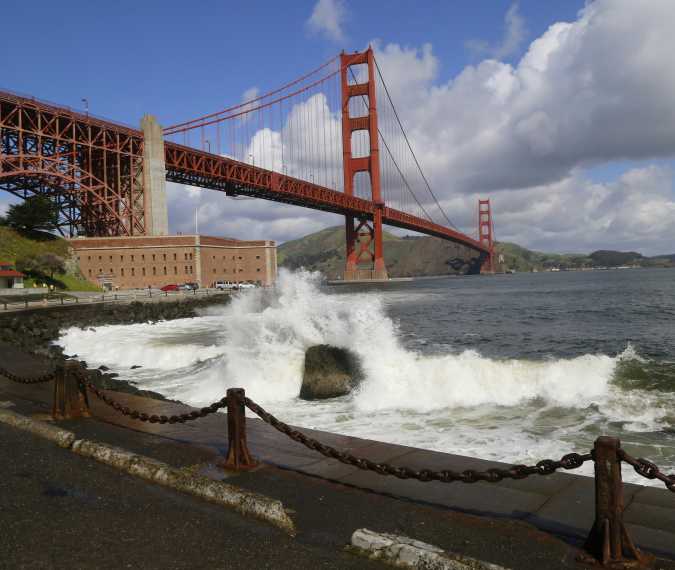
El Niño threat prompts local emergency in San Francisco
San Francisco is accelerating its preparations for possible winter storms and coastal flooding after Mayor Daniel Lurie declared a local emergency on Friday, October 23. The measure gives city agencies a faster way to obtain equipment and services ahead of potential El Niño impacts.
For residents, the message is practical: prepare before severe weather arrives. Households are being encouraged to plan for electricity outages, obtain sandbags for properties vulnerable to flooding, and register for emergency notifications through AlertSF.
According to the mayor’s office, the declaration will help departments purchase essential supplies, including flood barriers, pumps, generators, first-aid materials, and shelter equipment. It also establishes a coordinated response under the Incident Command System, requires departments to support requests from the city’s Emergency Operations Center, and permits the mayor to shift funding between or within departments as emergency needs arise.
The faster purchasing and contracting procedures cover Public Works, the Public Utilities Commission, the Port of San Francisco, the Municipal Transportation Agency, the Recreation and Park Department, San Francisco International Airport and the Office of Contract Administration. Lurie said the aim is to equip city agencies early so they can protect communities throughout the winter.
The preparations follow warnings about an exceptionally powerful El Niño. Reuters reported that the World Meteorological Organization expects central Pacific ocean temperatures to reach approximately 3.8°C above normal between November 2026 and January 2027, with the event likely to peak around December. El Niño can alter weather patterns worldwide, increasing rainfall in some areas while contributing to drought elsewhere.
The precise timing and severity of San Francisco’s winter conditions remain uncertain. City officials are preparing for both heavy rain and wind, as well as elevated coastal water levels that could flood low-lying waterfront areas even without rainfall.
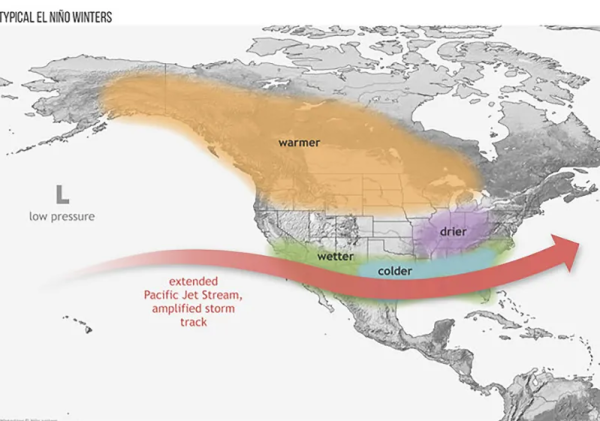
Graphic: Climate.gov