
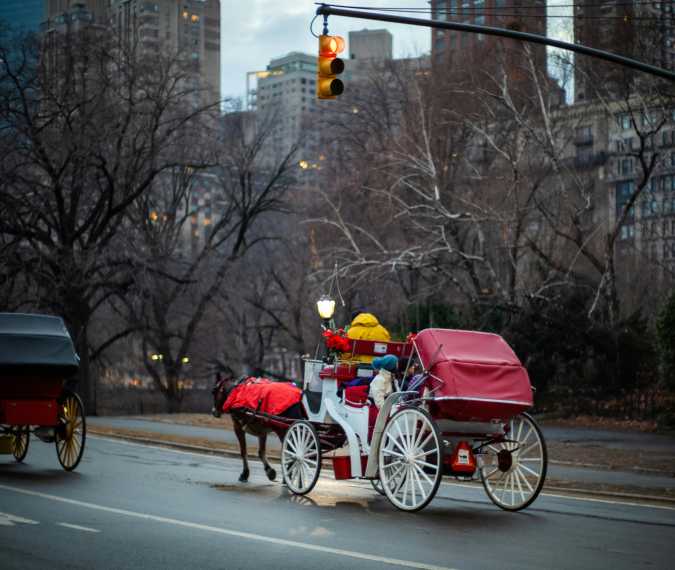
New York to ban horse-drawn carriage rides in Central Park
Horse-drawn carriage rides could disappear from Central Park by 2028 as New York City leaders move toward ending one of its most recognizable tourist attractions. The proposal has renewed a longstanding argument over passenger safety, animal welfare, and the livelihoods of workers who depend on the industry.
Mayor Zohran Mamdani and City Council Speaker Julie Menin have agreed on legislation to end the rides. With council approval still required, the measure represents a significant step toward a ban rather than an immediate shutdown.
What the proposal would mean
The legislation would end a carriage tradition associated with Central Park for more than 150 years. Alongside the phaseout, it would require the mayor’s office to develop a plan to help industry workers move into other employment.
The proposal also allows the city to consider compensation for affected workers, although it does not guarantee payments. Provisions concerning the horses would prohibit their sale for slaughter and require humane arrangements for their future.
Those details have become central to the debate. Supporters of the ban say the priority is preventing further harm. For drivers and stable workers, the question is how they will support their families once the rides stop.
A fatal accident intensified calls for change.
Pressure to close the industry increased after the death of Romanch Mahajan, an 18-year-old visitor from India, in June.
Mahajan was riding with relatives when the horse bolted. According to his father’s account to city lawmakers, the teenager jumped from the carriage while trying to help his mother, who had been thrown from her seat.
His family has since urged officials to end the rides, addressing City Hall both in person and remotely from India.
The tragedy added urgency to concerns that animal welfare campaigners have raised for years. Critics point to incidents involving collapsed horses, runaway carriages and collisions as evidence that the activity presents risks to both animals and people.
Workers challenge the transition plans.
Industry supporters argue that carriage rides remain a valued part of New York’s cultural identity and provide an experience sought out by visitors from around the world.
The Transport Workers Union has criticized the proposal’s economic protections. Its international president, John Samuelsen, argues that the legislation fails to provide meaningful financial support for workers facing the loss of their livelihoods.
Mamdani has said the city has a responsibility to help those affected, but the practical support available during a phaseout remains a key point of disagreement.
Why this attempt matters
Previous efforts to eliminate carriage rides failed amid political resistance and concerns about workers and horses. Both Bill de Blasio and Eric Adams supported ending the industry but did not secure a ban.
The agreement between the current mayor and council speaker gives this proposal fresh momentum. The coming vote will determine whether New York moves ahead with the phaseout—and shifts the debate from whether the rides should end to how that transition should happen.
Based on reporting by The Associated Press.