
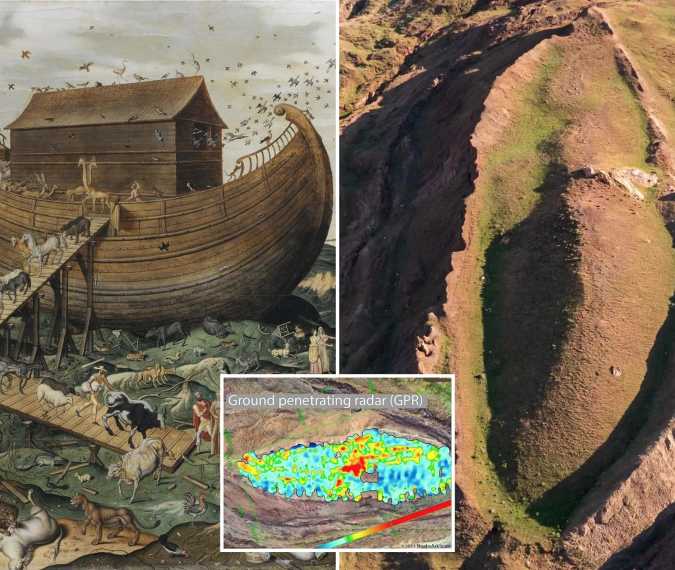
Noah's Ark breakthrough as new analysis 'confirms' buried discovery matches biblical dates
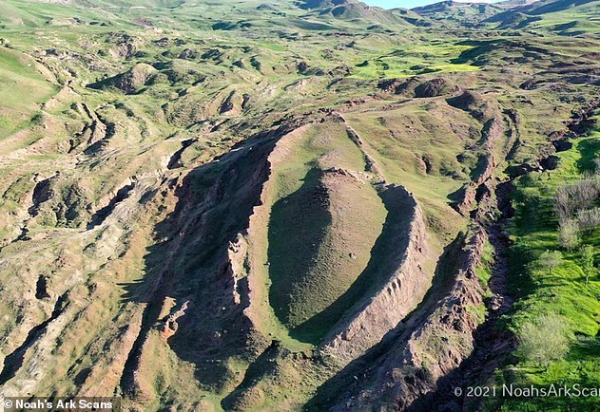
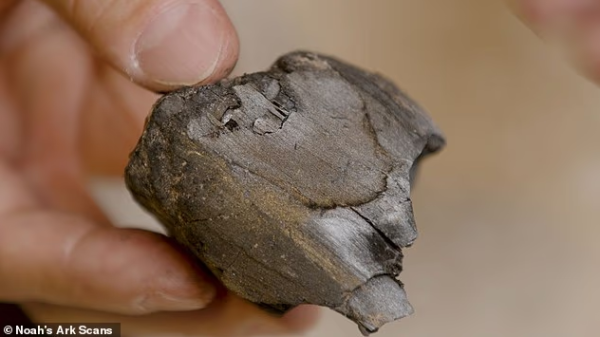
Two fragments of charred wood recovered from deep inside the Durupınar formation in eastern Turkey have given researchers a date to work with. According to the team investigating the boat-shaped site near Mount Ararat, radiocarbon tests indicate that the wood grew roughly 4,300 years ago. How it ended up more than 30 feet below the surface remains unclear.
The dates drew attention because they overlap with two proposed dates for Noah’s Flood. Some readers of Genesis have used the text's genealogies to place the Flood in 2348 BC or 2304 BC. Both years fall within the most probable dating range for each fragment.
For the first sample, the laboratory assigned a 60.6 percent probability to the period from 2410 to 2269 BC. For the second, 82 percent of the probability fell between 2349 and 2193 BC. Other intervals were possible for both samples. Those percentages describe the wood's estimated age. They say nothing about the likelihood that it came from the Ark.
That distinction matters because wood has more than one date in its history. A tree absorbs carbon as it grows, and radiocarbon testing can estimate when that growth took place. The wood could have been shaped, burned, or buried much later. The overlap with a biblical chronology therefore leaves two questions unresolved: whether the fragments belonged to a vessel and whether a flood deposited them at Durupınar.
What the researchers saw underground
Archaeologist Cenker Atila of Sivas Cumhuriyet University, who discovered the fragments, believes one piece may have been shaped by hand. He based that assessment on marks and irregularities on its surface. Even if closer examination establishes that someone worked the wood, its original purpose would still need to be determined.
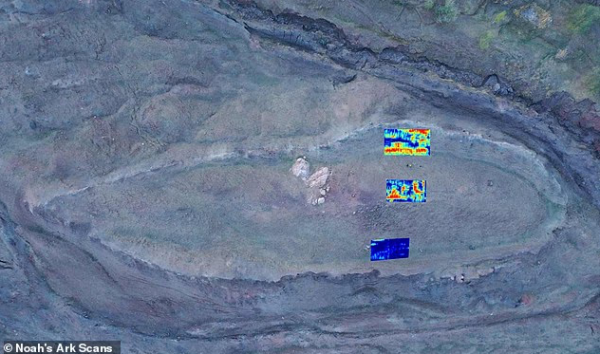
The team is also investigating the roughly 515-foot-long formation itself. A 2019 radar survey recorded straight lines and angles beneath the surface. In a later survey, scientist Khosrow Bakhtar used a system that could reach deeper into the formation. The team interpreted five features in those scans as a possible passage extending about 151 feet. Elsewhere, researchers identified three layers that Atila compared with the three decks described in Genesis.
Ground-penetrating radar records reflections where underground materials change. A pattern can help researchers choose a place to drill, but a scan alone cannot establish that a boundary is a wall or that a space was once a corridor. The proposed passage and decks remain interpretations awaiting physical examination.
What the next tests could reveal
Project leader Andrew Jones told the Daily Mail that laboratories in Turkey and Switzerland would examine additional samples. The Turkish analysis includes two questions about the wood itself: which kind of tree it came from and whether any material on its surface is pitch or bitumen. The team also plans to assess nearly 400 soil and rock samples from the formation and its surroundings alongside Bakhtar’s final radar report.
For now, the clearest finding concerns the age of two pieces of wood. The more revealing discovery would be evidence showing how they fit into their surroundings. A fragment recovered as part of a built structure would tell a different story from one carried into sediment long after the tree grew. That missing context is what makes the next round of fieldwork important.

