State of emergency declared in US over 'super' El Niño with potentially devastating impact
California is preparing for a potentially powerful El Niño season, bringing weather risks that travelers should consider when planning a winter visit.
Governor Gavin Newsom declared a statewide emergency on September 21, 2026, to speed up preparations for possible severe weather. The action allows agencies to position emergency supplies, prepare transport infrastructure and support communities vulnerable to flooding and landslides.
For visitors, the main concern is how conditions could affect individual destinations and journeys. State officials warn that winter storms could bring heavy rain, strong winds, mountain snow and coastal flooding. Possible consequences include road closures and power outages, making flexibility particularly useful for trips involving coastal drives or mountain routes.
El Niño develops when unusually warm water in the tropical Pacific interacts with the atmosphere, influencing weather patterns far beyond the ocean. However, its strength does not determine exactly when or where a storm will strike.
NOAA’s Climate Prediction Center said in its September 10 assessment that the probability of a very strong El Niño during autumn and winter 2026–27 exceeds 90%. It also estimated a 75% chance of an event surpassing previous El Niño episodes dating back to 1950, based on its specified ocean-temperature index. These are forecasts, and the eventual strength remains uncertain.
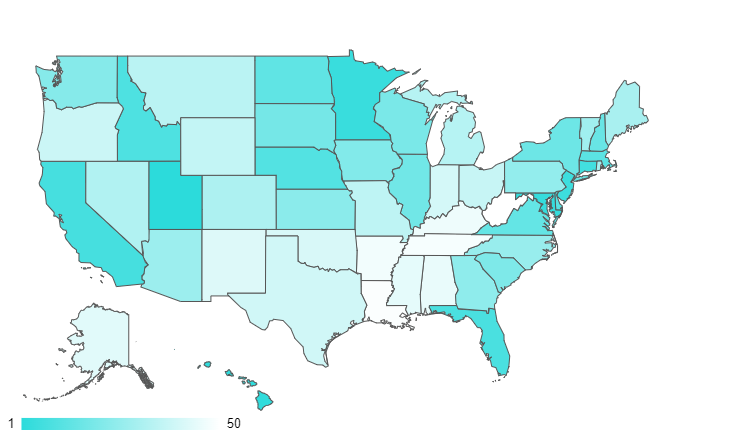
The potential effects extend beyond California. NOAA’s September 17 outlook favors above-average precipitation between October and December across a broad area stretching from Southern California through parts of the Southwest and central United States to the Southeast and Mid-Atlantic.
Later winter outlooks show increasing odds of wetter conditions across California. However, these forecasts describe seasonal probabilities; they do not predict the weather for a particular holiday week or guarantee rain at every destination.
California’s preparations include positioning sandbags and pumps, readying highway equipment, and preparing the National Guard to assist if needed. Officials are also encouraging people to follow local alerts and plan for rapidly changing conditions.
If you are arranging a winter trip, consider bookings that allow changes and leave room in your itinerary to adjust outdoor activities. As departure approaches, use local forecasts and destination-specific notices to guide decisions about driving, hiking and coastal visits.
The seasonal outlook provides useful context for planning, but conditions closer to your travel dates will be more useful for deciding how to spend each day.