Still air trapped pollution in Pennsylvania valleys as Indianapolis issued its own advisory
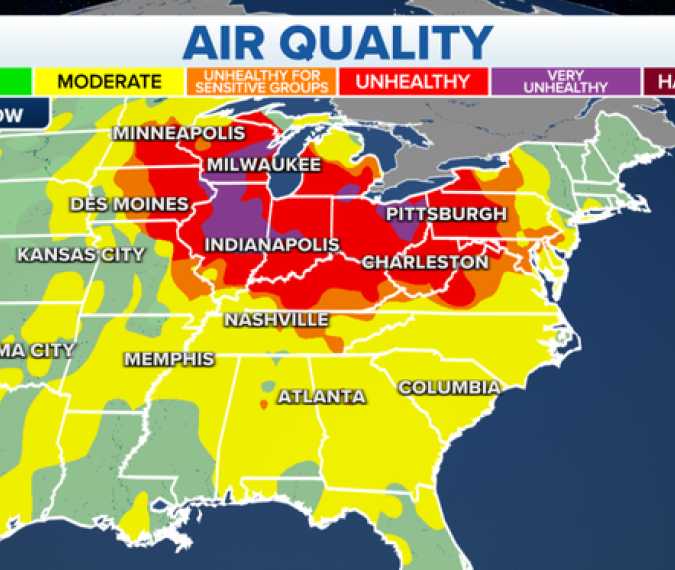
After a week of light winds, fine particles had accumulated near the ground in two Pennsylvania valleys. State forecasters expected the poorest air on Saturday morning, November 21, 2026, and again after sunset. In Indianapolis, a separate advisory urged residents with asthma and other lung conditions to cut back on strenuous outdoor activity through Sunday morning. Commonwealth of Pennsylvania
Pennsylvania’s Code Orange alert covered five Susquehanna Valley counties — Cumberland, Dauphin, Lancaster, Lebanon and York — along with the Monongahela Valley portion of Allegheny County. Code Orange means pollution could reach levels unhealthy for sensitive groups. The pollutant behind the alert was PM2.5, a term for airborne particles small enough to reach deep into the lungs. Children, older adults, and people with heart or lung disease are especially vulnerable. Commonwealth of Pennsylvania
Pennsylvania officials asked residents to help keep more particles out of the air while the winds were calm. That meant using fireplaces and wood stoves less, postponing yard work that required gas-powered equipment and avoiding outdoor burning of leaves or trash. Commonwealth of Pennsylvania
In Indianapolis, the city’s Knozone advisory ran until 10 a.m. local time on Sunday, November 22. Officials advised people who were sensitive to pollution to shorten long stretches outdoors. They also recommended putting off heavy outdoor work and keeping doors and windows closed as much as possible during the advisory. GovOneStop
Farther south, smoke from a grain fire in Jeffersonville, Indiana, raised a separate concern across the Ohio River in Louisville, Kentucky. Jeffersonville police said the fire was contained to two silos, and crews monitored the surrounding air. For residents deciding whether to exercise or work outdoors after the weekend, the EPA’s AirNow map provides current local readings.