
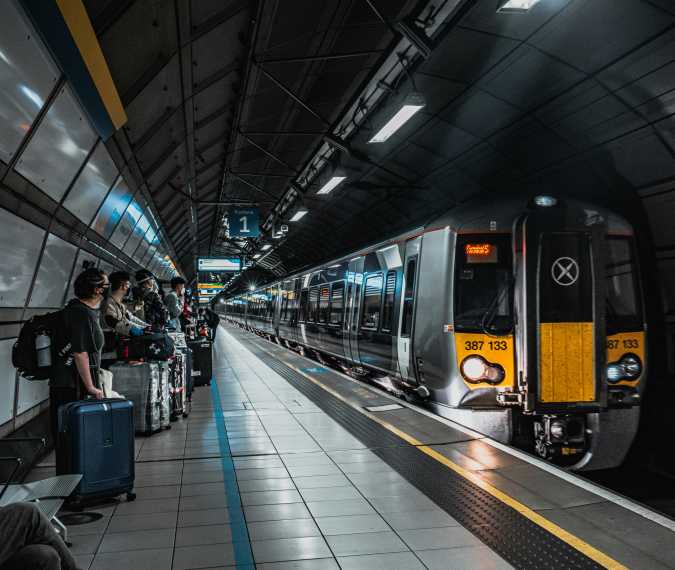
You could now face a £1,000 fine for blasting music on trains and buses
A government initiative launched on 19 October 2026 aims to reduce disruptive noise on public transport. It combines a rail campaign promoting headphone use with guidance helping English local authorities tackle nuisance behavior on buses.
For passengers, the distinction matters. On trains, refusing to stop disruptive audio when asked by authorized staff can lead to removal at the next station or prosecution, with fines reaching £1,000. The campaign reinforces existing rules through announcements and other passenger messaging.
On buses, local authorities in England can introduce byelaws addressing loud music, vaping, littering and threatening behavior, with fixed penalties of up to £100. The powers took effect on 5 August 2026, but individual byelaws require the Transport Secretary’s approval before enforcement.
Authorized officers, including transport safety officers and police, will handle enforcement rather than bus drivers. The approach begins with engagement and an explanation of the rules, followed by enforcement if someone refuses to comply.
The Department for Transport’s accompanying guidance covers both creating bus byelaws and enforcing them. It applies to England and is intended for local transport authorities, operators and their partners, including police.
Rail passengers should also understand that railway byelaws have a much longer history than this announcement. The current national framework was introduced in 2005 and has since been amended. Some networks have separate arrangements, including Transport for London and Merseyrail.
For anyone traveling with a phone or tablet, the practical response is straightforward: pack headphones, keep the volume considerate, and follow staff instructions. A shared carriage is more comfortable when everyone can choose what they listen to.

