Manhattanhenge returns this weekend for its final sunset spectacle of 2026
If you didn't get the chance to experience Manhattanhenge earlier this year, you're in luck. New York City's famous sunset spectacle is making its final appearance of 2026 this weekend, giving locals and visitors one last opportunity to witness one of the city's most remarkable natural events.
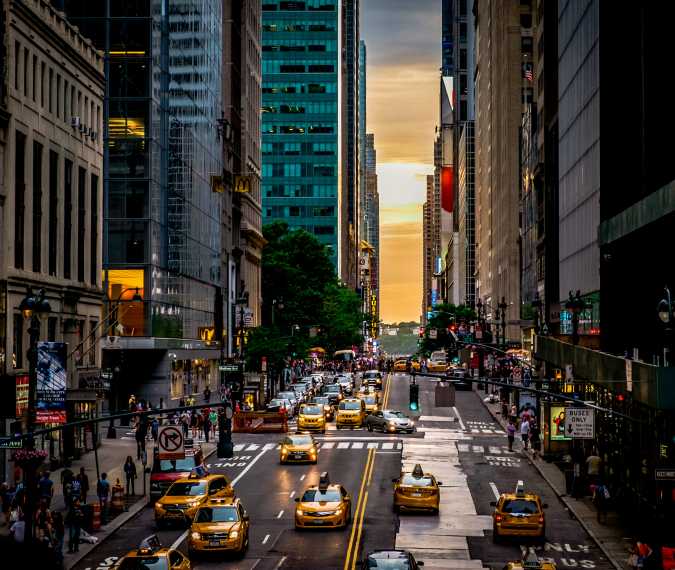
For just a few evenings each year, the setting sun lines up perfectly with Manhattan's street grid, filling the city's avenues with brilliant golden light. The combination of towering skyscrapers and the glowing sunset creates a breathtaking scene that attracts thousands of photographers, tourists, and New Yorkers every summer.
When to See Manhattanhenge in July 2026
The final Manhattanhenge events of the year will take place on:
Saturday, July 11, 2026, at 8:20 p.m. EDT – This is the full-sun alignment, when the entire sun remains visible above the horizon while perfectly centered between the buildings.
Sunday, July 12, 2026, at 8:21 p.m. EDT – This is the half-sun alignment, where part of the sun has already dipped below the horizon, creating dramatic orange and crimson tones across the skyline.
Because Manhattanhenge has become one of New York's most popular seasonal attractions, it's recommended to arrive at your chosen viewing location at least 45 to 60 minutes before sunset. This not only helps you secure a good spot but also lets you enjoy the gradual transformation of the city's colors as daylight fades.
Best Places to Watch Manhattanhenge
According to the American Museum of Natural History, several east-west streets offer exceptional views of the sunset. Standing farther east often provides an even more impressive perspective, with the skyscrapers creating the famous "urban canyon" effect.
Some of the best locations include:
14th Street for a classic downtown atmosphere.
23rd Street, where the surrounding architecture creates a beautiful frame for the sunset.
34th Street, a favorite among photographers hoping to include the Empire State Building in their images.
42nd Street, one of the busiest viewing areas thanks to its iconic Midtown landmarks.
57th Street, offering expansive views between Manhattan's high-rise buildings.
Visitors looking for a quieter experience can also head to the Tudor City Overpass, which provides an elevated perspective, or visit Hunter's Point South Park in Long Island City, Queens, where the entire Manhattan skyline becomes part of the sunset display.
Photography Tips for the Best Results
Capturing Manhattanhenge can be challenging, but a few simple techniques can make a big difference.
Choose a wide-angle or standard lens rather than zooming in too closely. The beauty of Manhattanhenge comes from showing both the glowing sun and the surrounding skyline together.
If you're using a smartphone, tap the brightest area of the sky before taking the photo. This reduces the exposure, helping preserve the vibrant sunset colors while keeping the buildings in silhouette.
Finally, avoid using flash. It won't illuminate the distant skyline and can negatively affect your camera's exposure settings.
What Makes Manhattanhenge So Special?
Although several cities around the world experience similar alignments, New York's version is considered one of the most impressive because of Manhattan's distinctive street layout and its uninterrupted western view across the Hudson River.
The phenomenon occurs only four times each year because Manhattan's street grid, established under the Commissioners' Plan of 1811, is rotated about 30 degrees east of true north. This unique orientation means the sun aligns perfectly with the streets only on a handful of summer evenings rather than during the spring and autumn equinoxes.
If clear skies are forecast, be sure to check the weather before heading out, arrive early, and enjoy New York City's final Manhattanhenge sunset of 2026 before it returns next year.